Fear of the unknown..
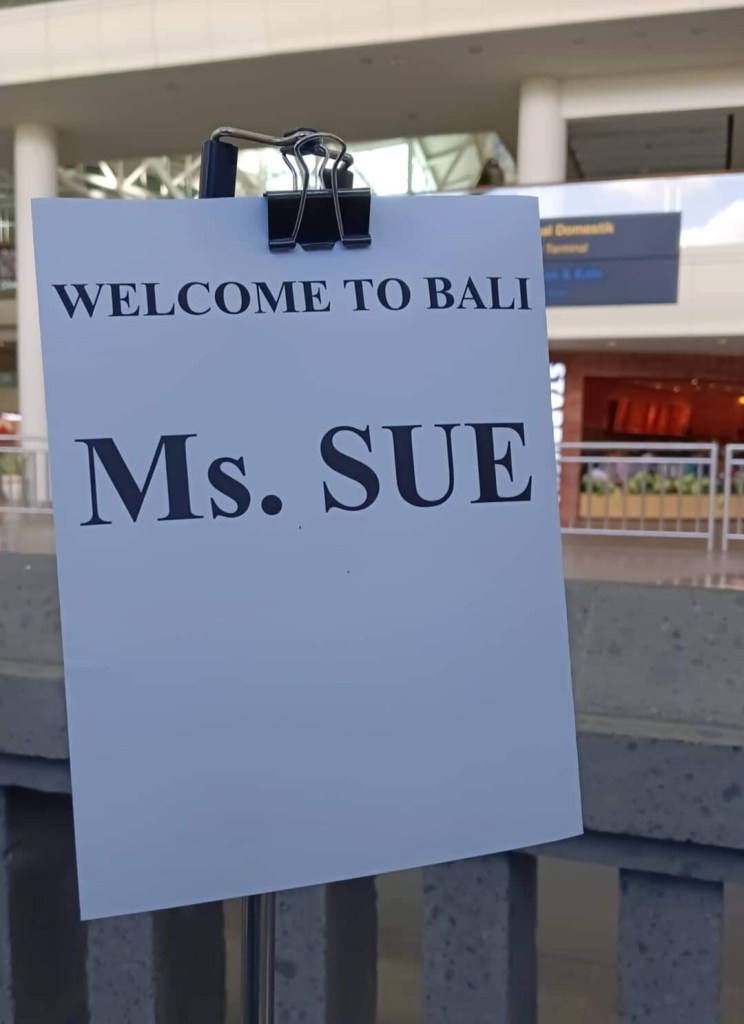
When I saw Sugi at the Denpasar airport, smiling and waving warmly to me, holding a paper board with my name on it, I was relieved. Solo travelling has its share of fear of the unknown and anxiousness. A friend in Melbourne had recommended me Sugi’s travel company (go_bali_holiday), he was a driver and a tourist guide in Ubud. We had never met before, yet I don’t know how he recognised me! There was an instantaneous bond between us, and I felt my Ubud trip is going to be a memorable one!
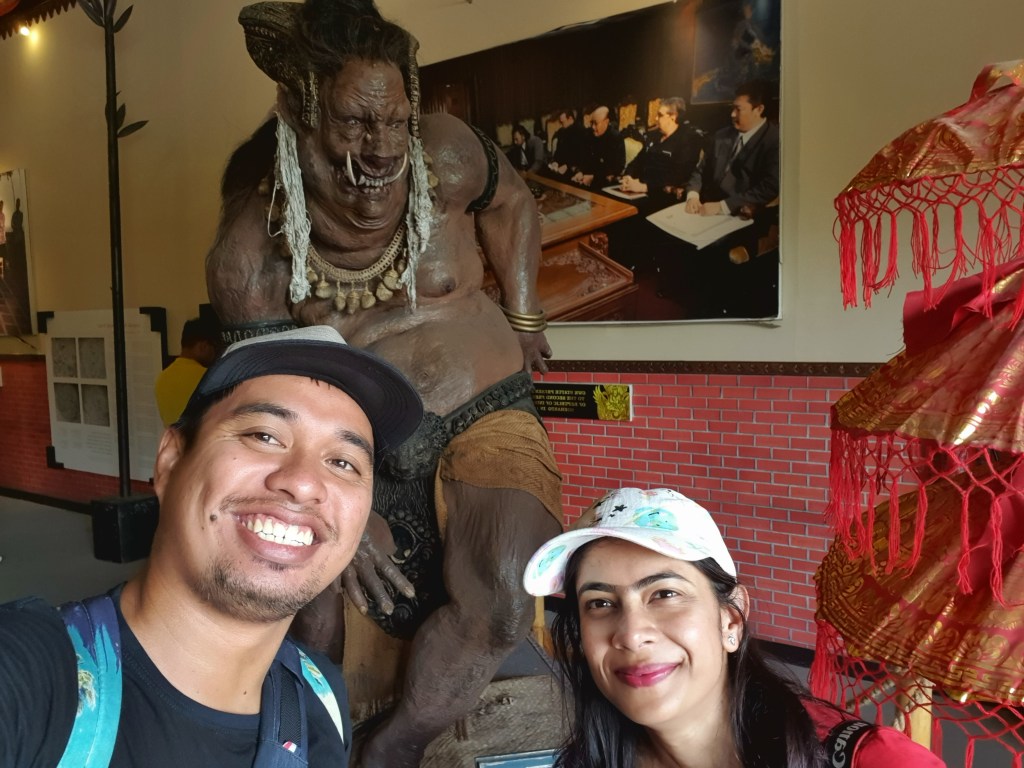
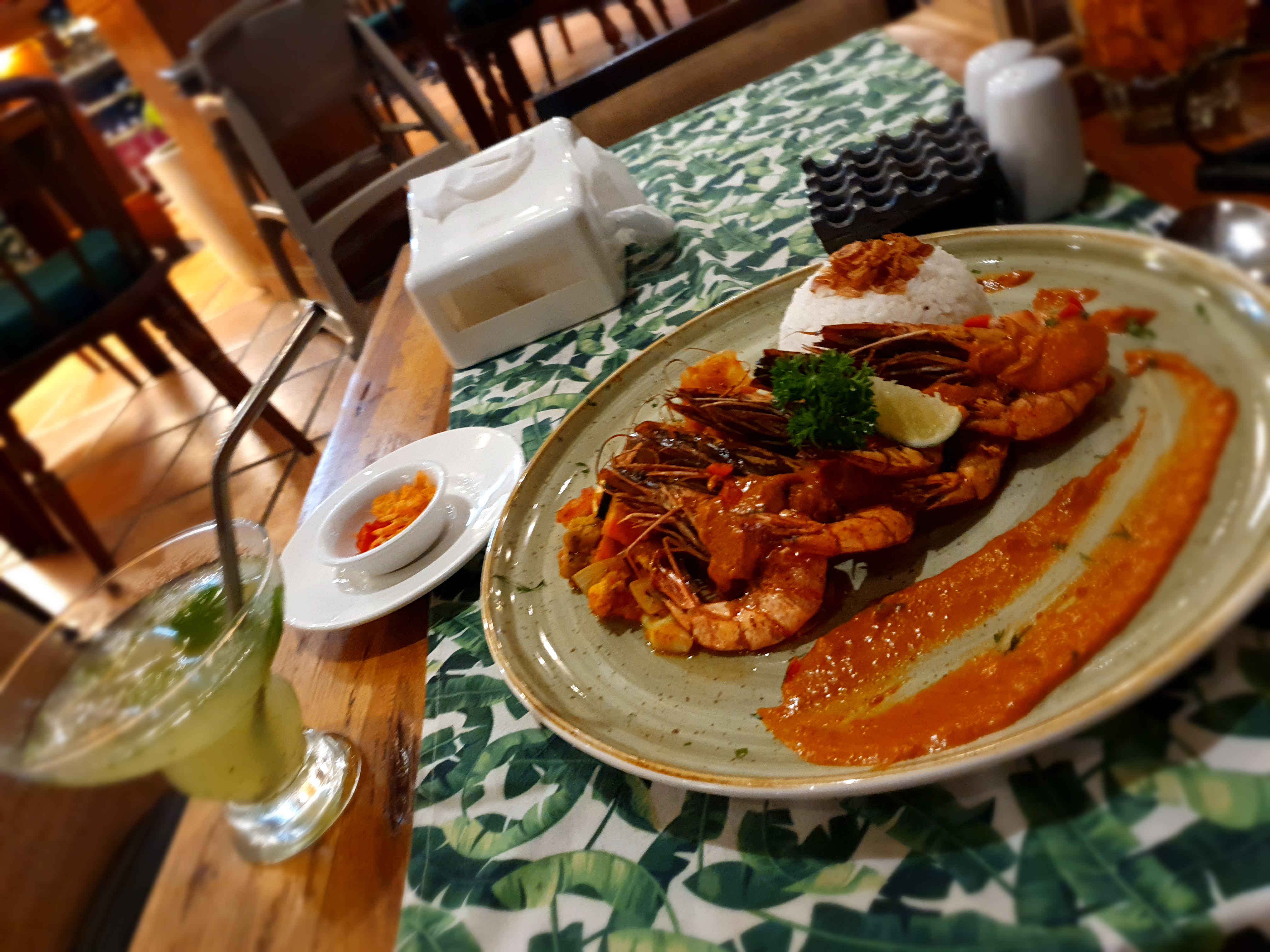
It was late in the afternoon when I landed at the Denpasar international airport, and I was famished. After Sugi loaded my bags in his 5-seater Toyota, he took me to one of the most beautiful restaurants in Jimbaran, “the new Dewata café”. It was a quick drive from the airport, and we reached this beautiful, sun-kissed, beach side shack cum restaurant where I was greeted with warmth. The view was so mesmerizing that even the heat and humidity in December did not bother me anymore. I sat in an empty table, facing the blue waters and shared the space with a little stray cat. I invited Sugi to join me for lunch, and after a lot of hesitation, he concurred. We shared the most delicious freshly cooked grilled prawns in Balinese sauce, some greens on the side and jasmine rice. Most importantly we shared a new-found friendship. After my sumptuous lunch and the cocktail, my jetlag demanded a cosy bed to crash! But hey, I am on a holiday!


Off to Ubud..
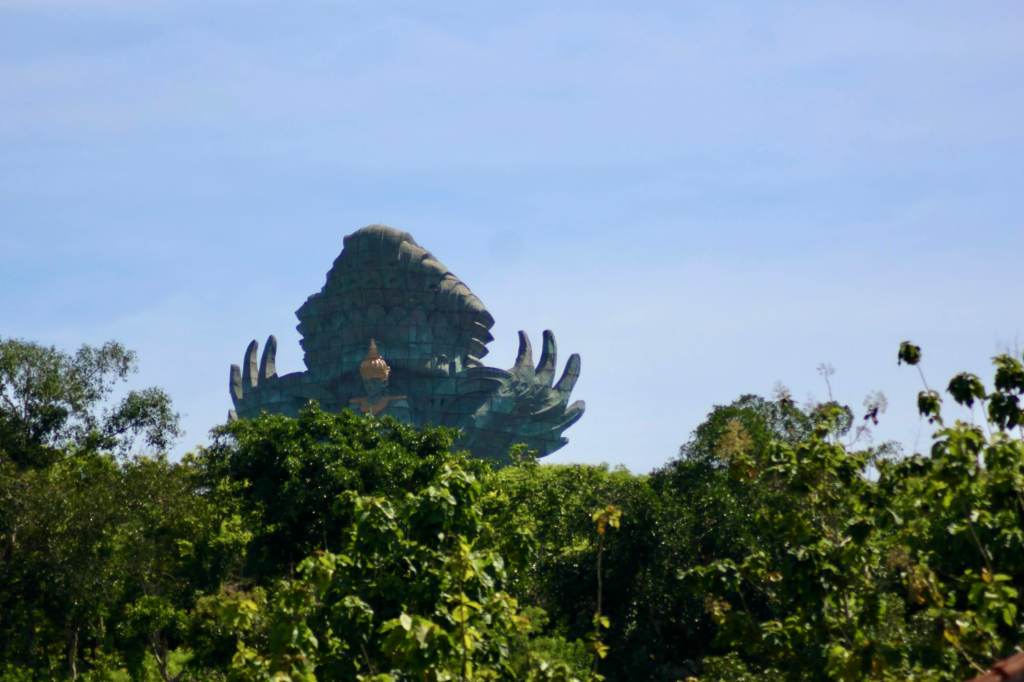
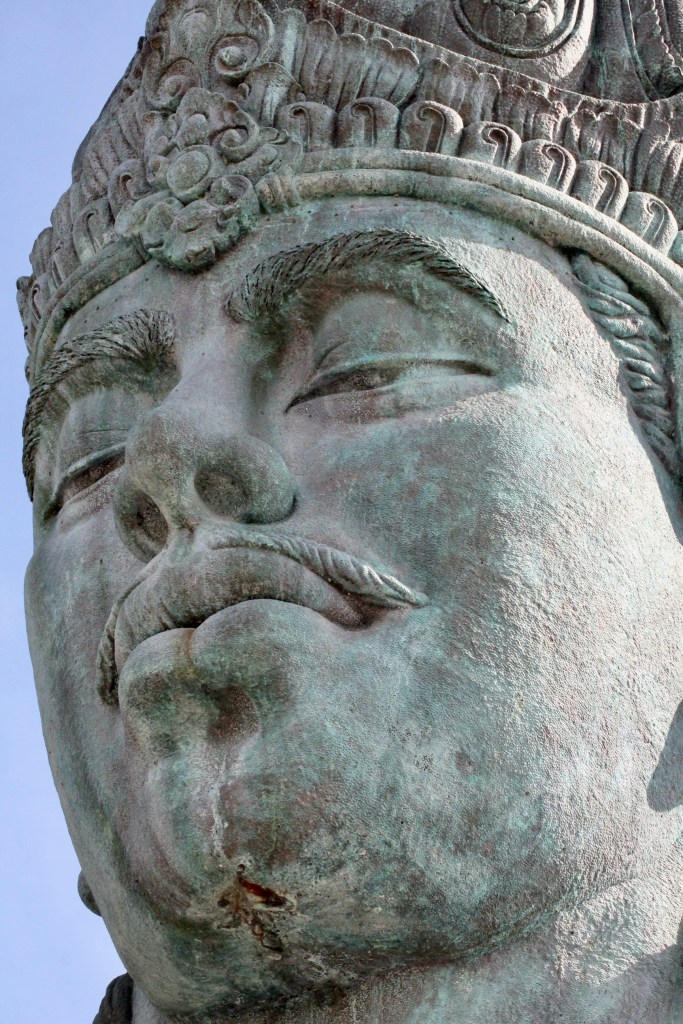
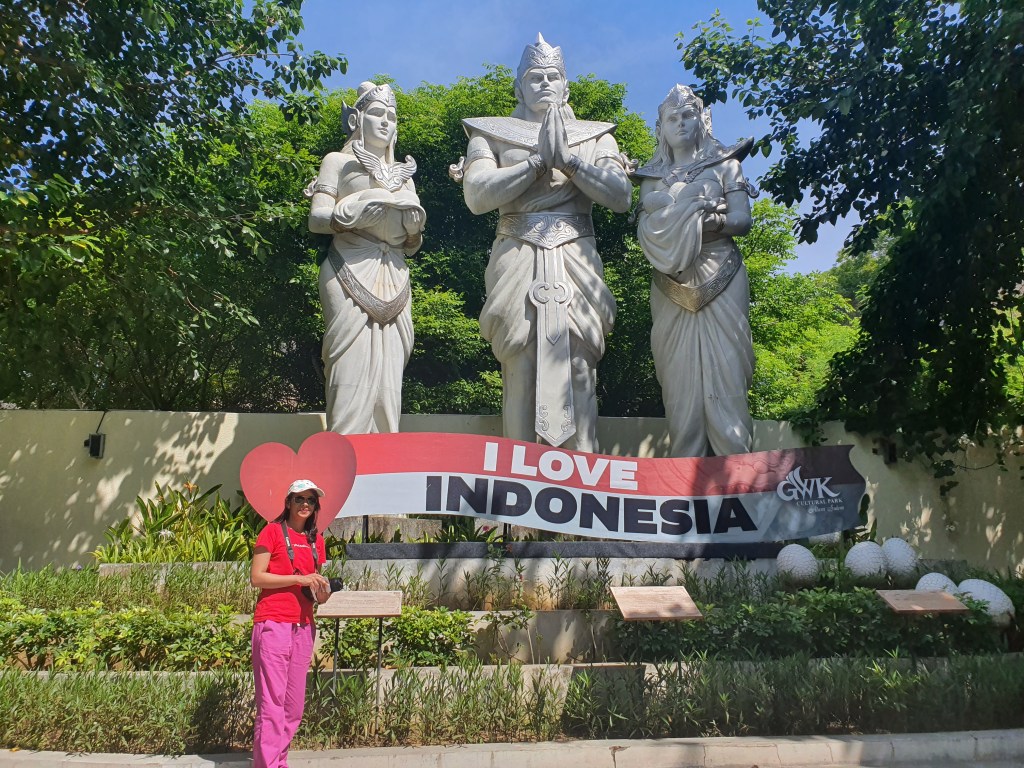
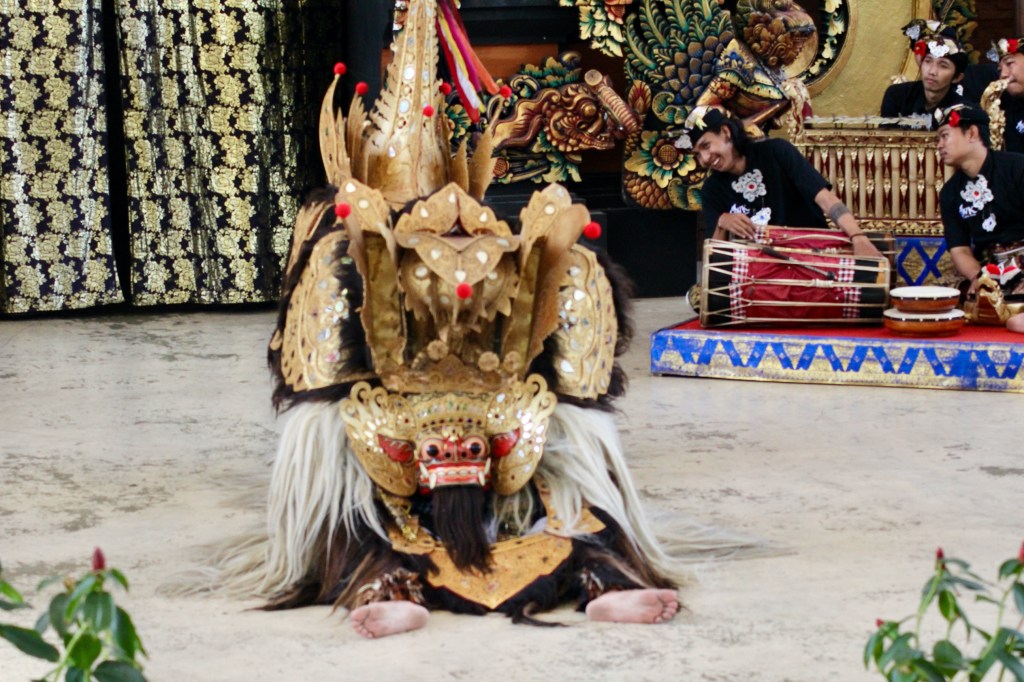
The 2-hour journey from Bali to Ubud commenced. Sugi decided to show me the Garuda Wishnu Kencana (GWK) statue and cultural park on the way before we head off to the northern inland of Ubud. The 400 feet statue is visible from most places in Bali. It is the tallest statue in Indonesia of a Hindu deity, which took 28 years and around $100 million dollars to build. Kudos to the sculptor for such a fine artwork and to all the workers who contributed to the making of this masterpiece. One must see it, to believe it! There were a few other incredible sculptures in the same spot. We also watched the cultural and traditional dance by resident performers. I was slowly getting tired and sleepy and yet happy and excited at heart.
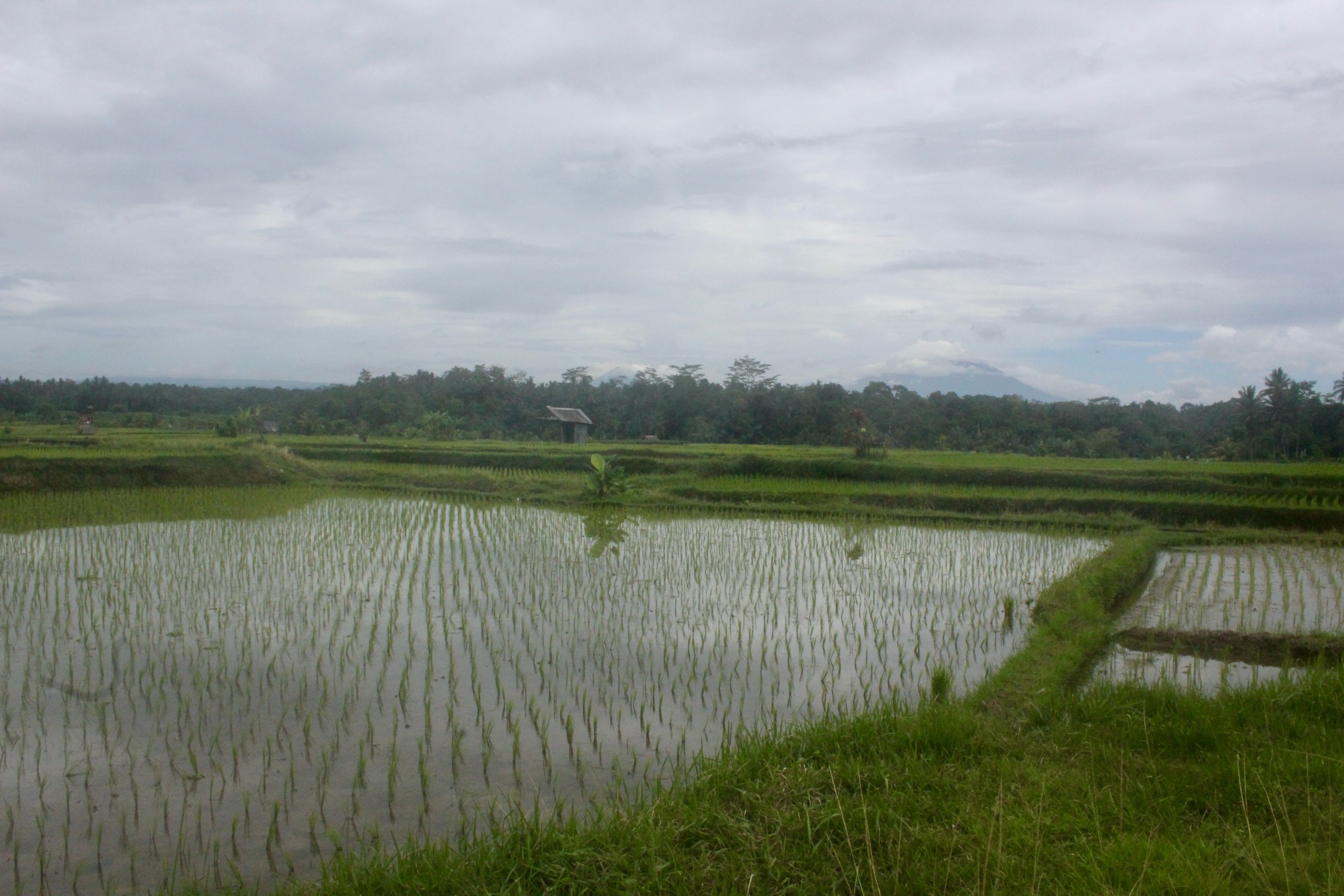
As we drove away, the weather and landscape changed to lush green paddy fields and rainforests. Ubud is geographically inland and north of the island, surrounded by rainforests, rice paddy fields, volcanic mountains and numerous temples. As we drove further up, I felt I am in a completely different country. After one pitstop and a tummy full of local coconut water, I arrived in the lush green and rainy Ubud. It was a relaxing feeling.
The Stay..
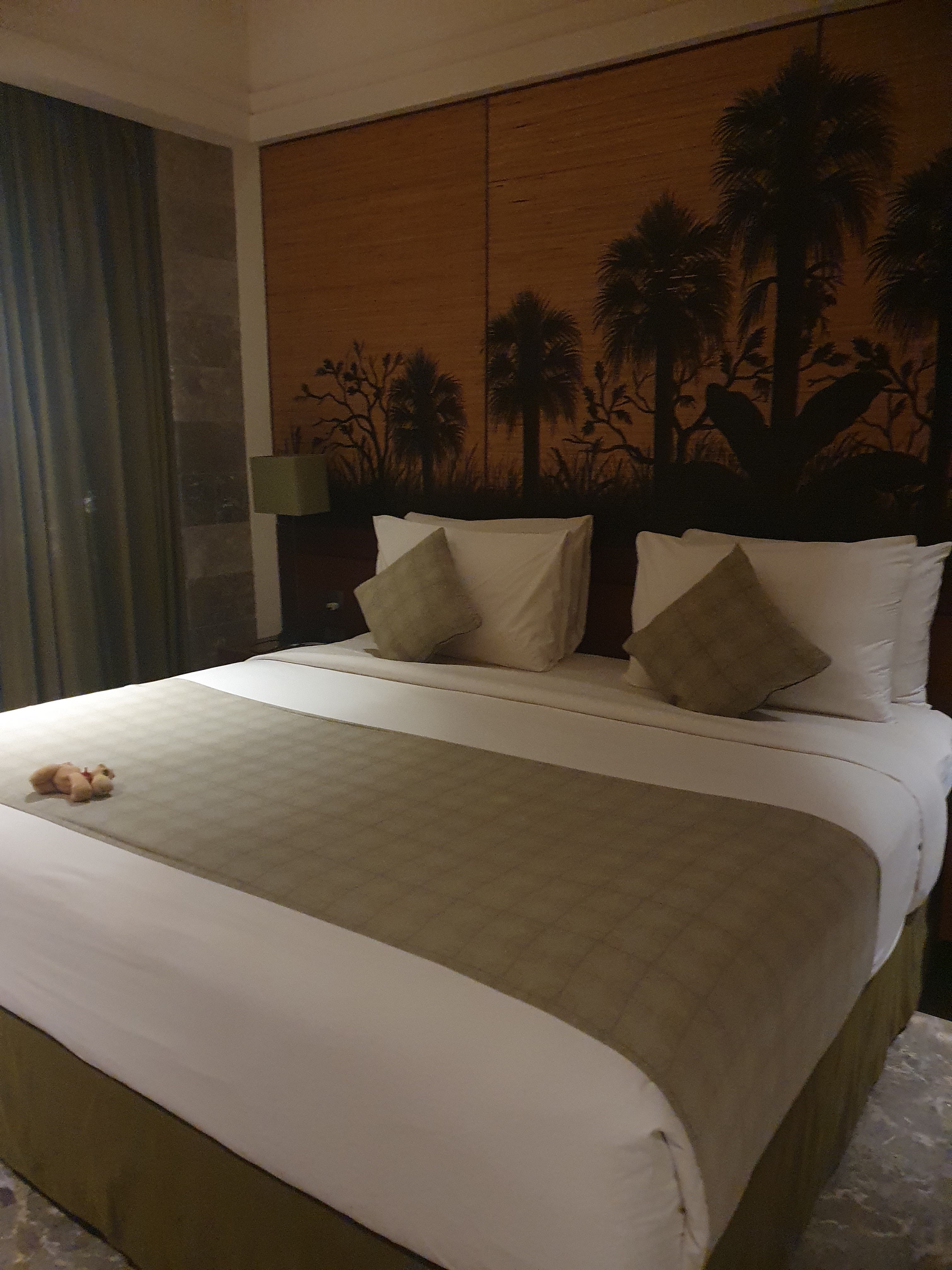
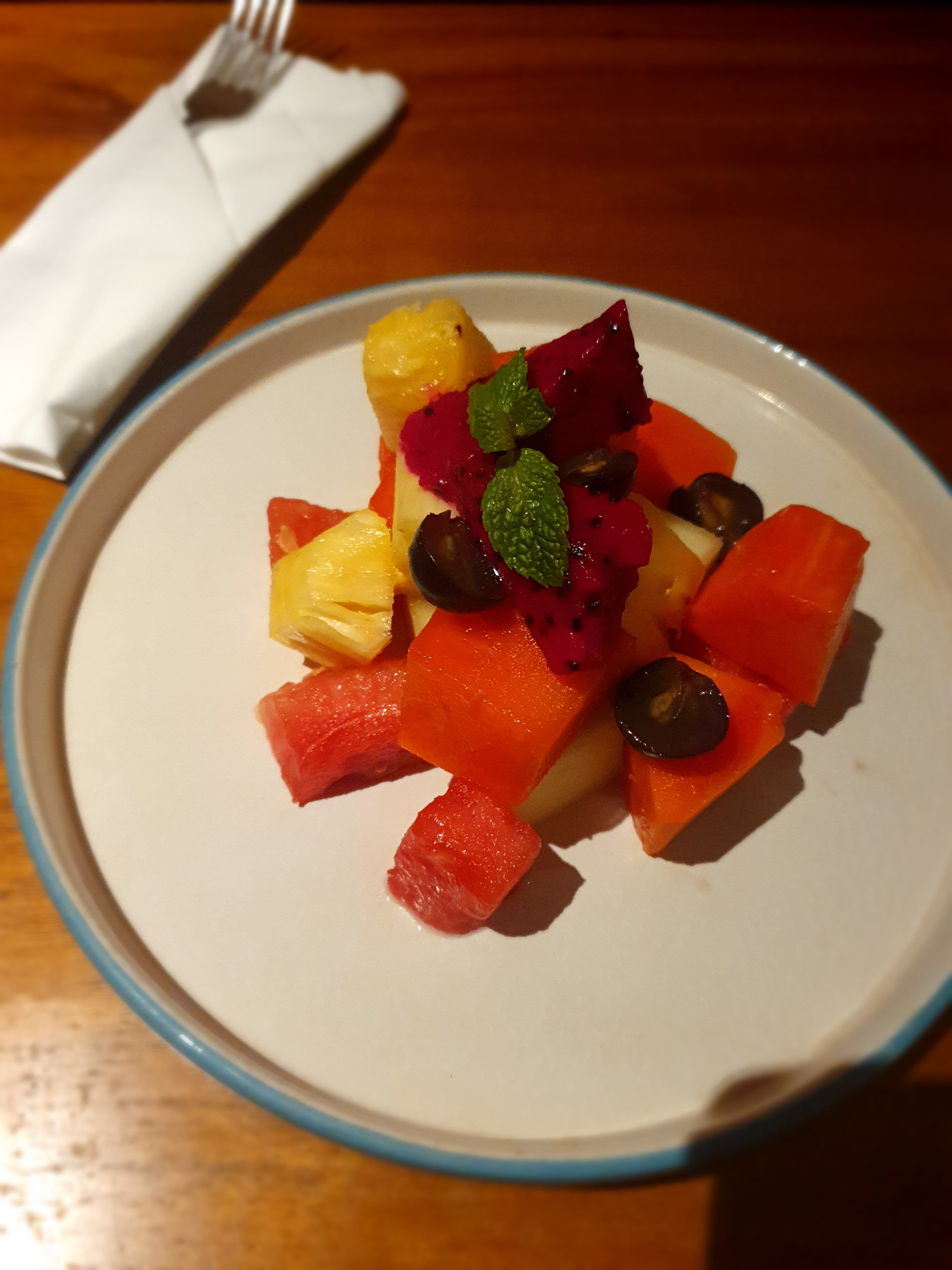
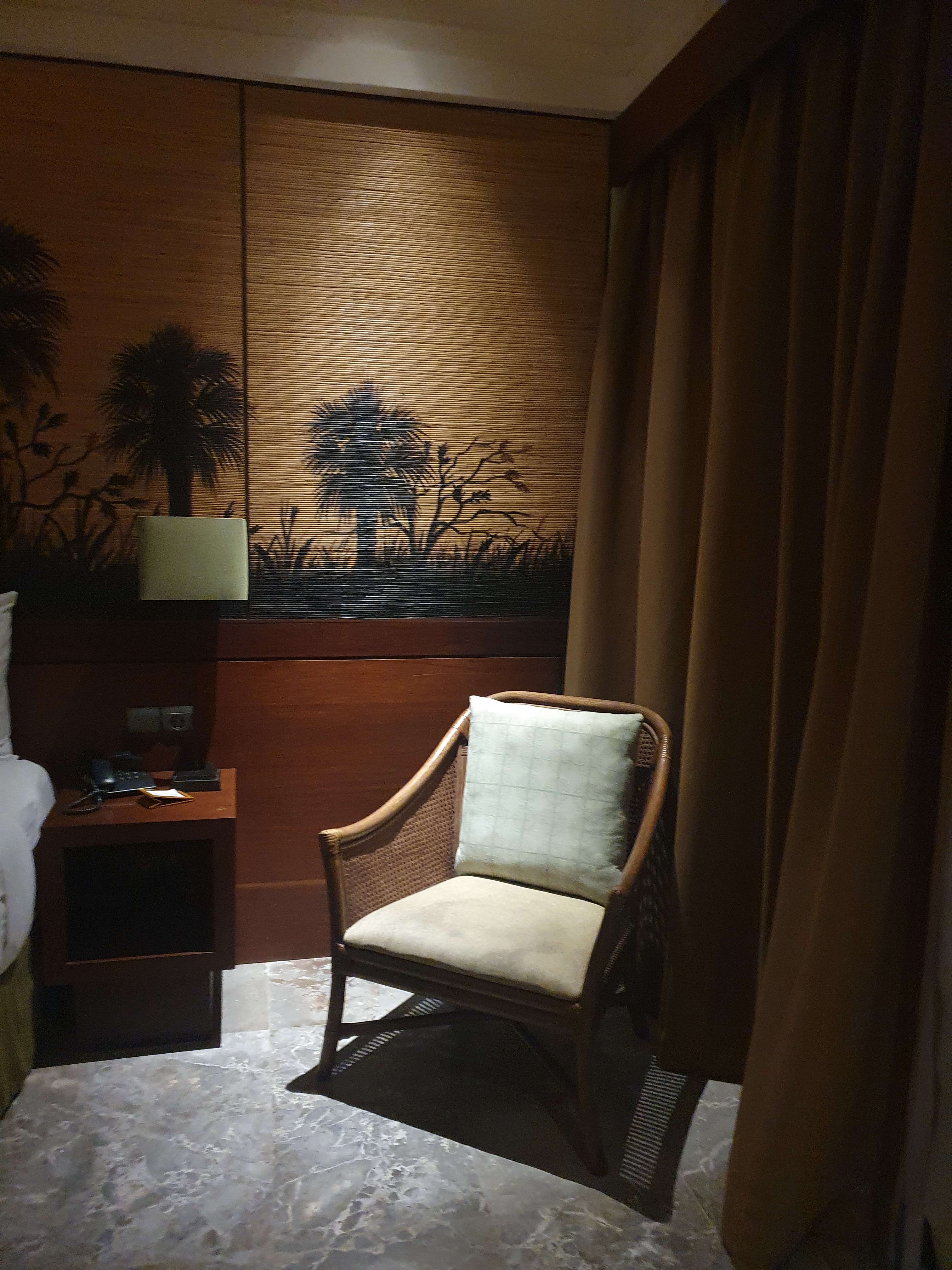
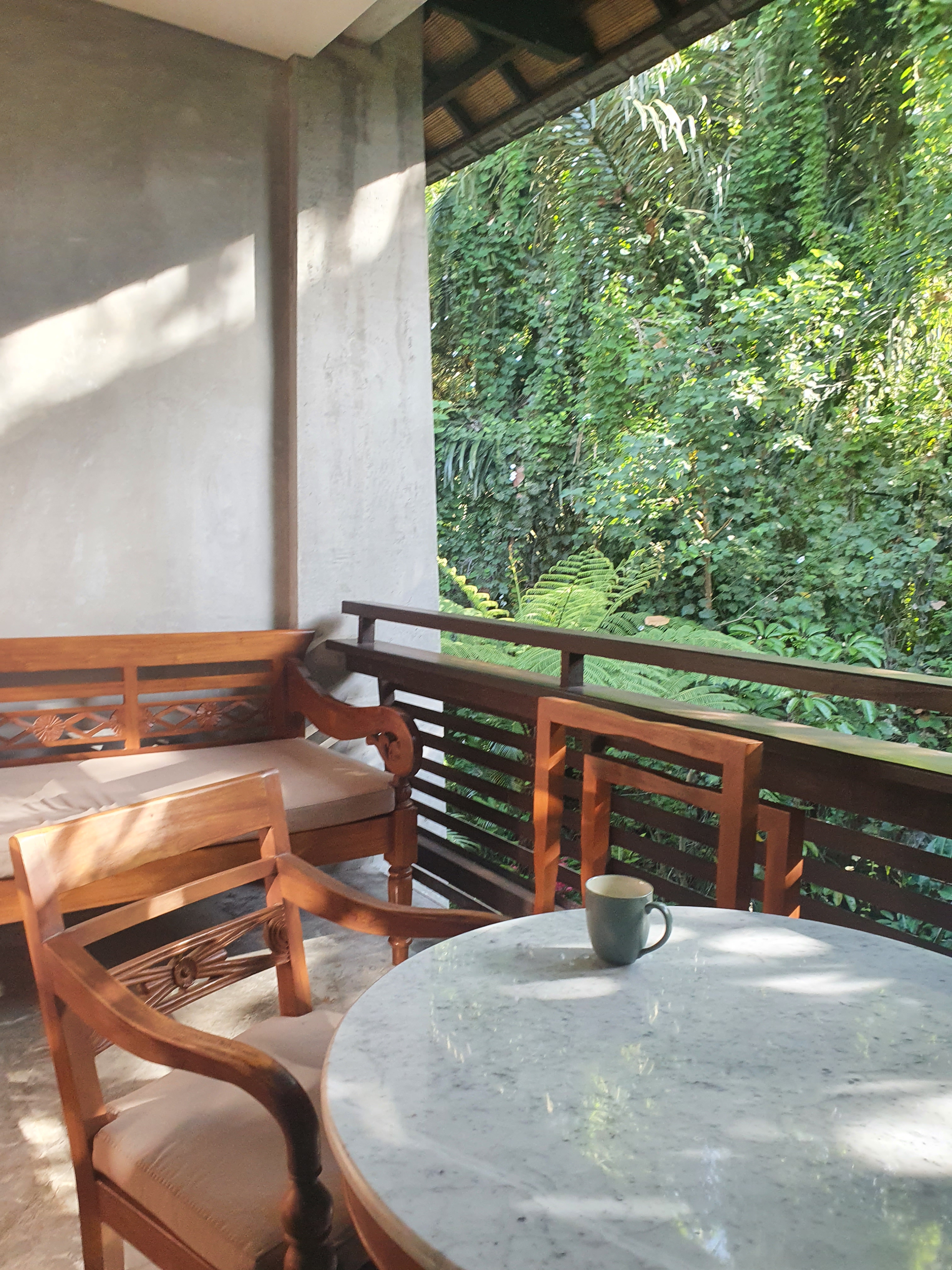
Adiwana Resort, Jemwaban, is a boutique wellness retreat in the heart of Ubud. It is secluded in its own way and yet close to the main town and tourist attractions. I was greeted by the lovely Manike, she was on duty during that evening. I was offered warm turmeric tea and a hot towel as the check-in formalities were being conducted. Manike was young, beautiful, kind and spoke good English. She escorted me to my room where I was welcomed by a plate of fruit salad and some drinks. The room was big, spacious, and the balcony was overlooking a stream of water and lush green trees. Just by sitting in the balcony, my heart and mind relaxed. The sound of flowing water and the rains added to the ambience. The resort had an outdoor pool, a spa centre and yoga facilities. After a quick dinner ordered in the room from the in-house restaurant, I went off to sleep in the cosy bed, with a peaceful smile on my face.
Let’s see Ubud..
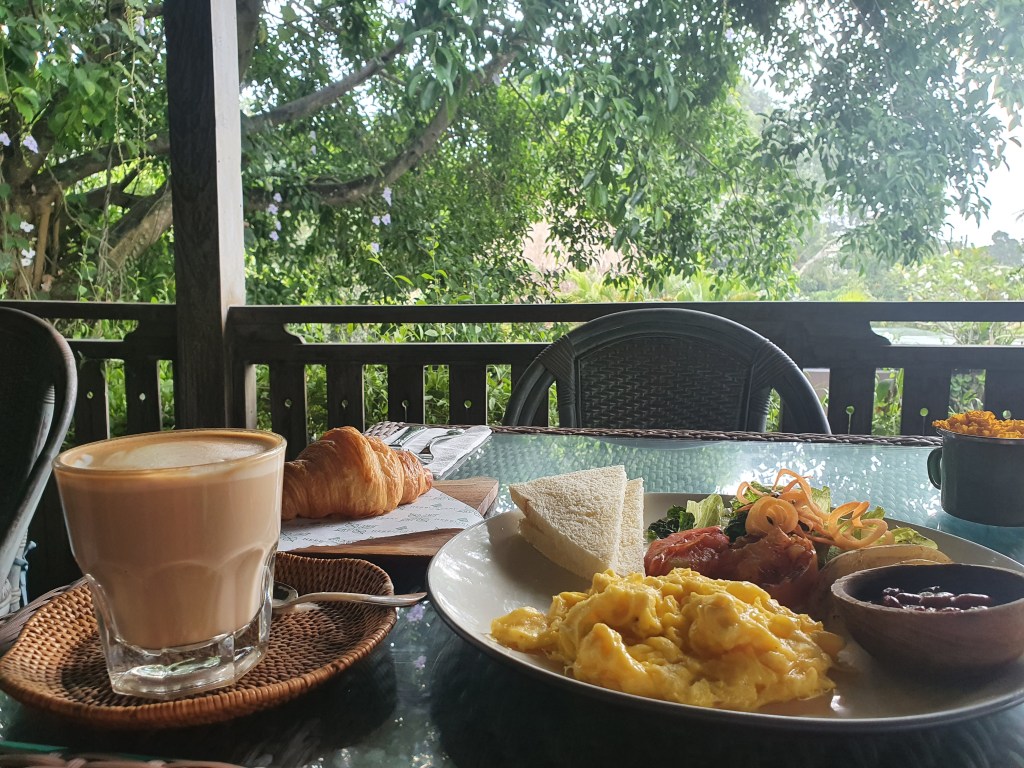
My tour guide Sugi was not available the next day, hence he had sent his cousin Dana. Dana was equally warm, spoke less but smiled more. The in-house restaurant offered a buffet breakfast with a choice of drink.
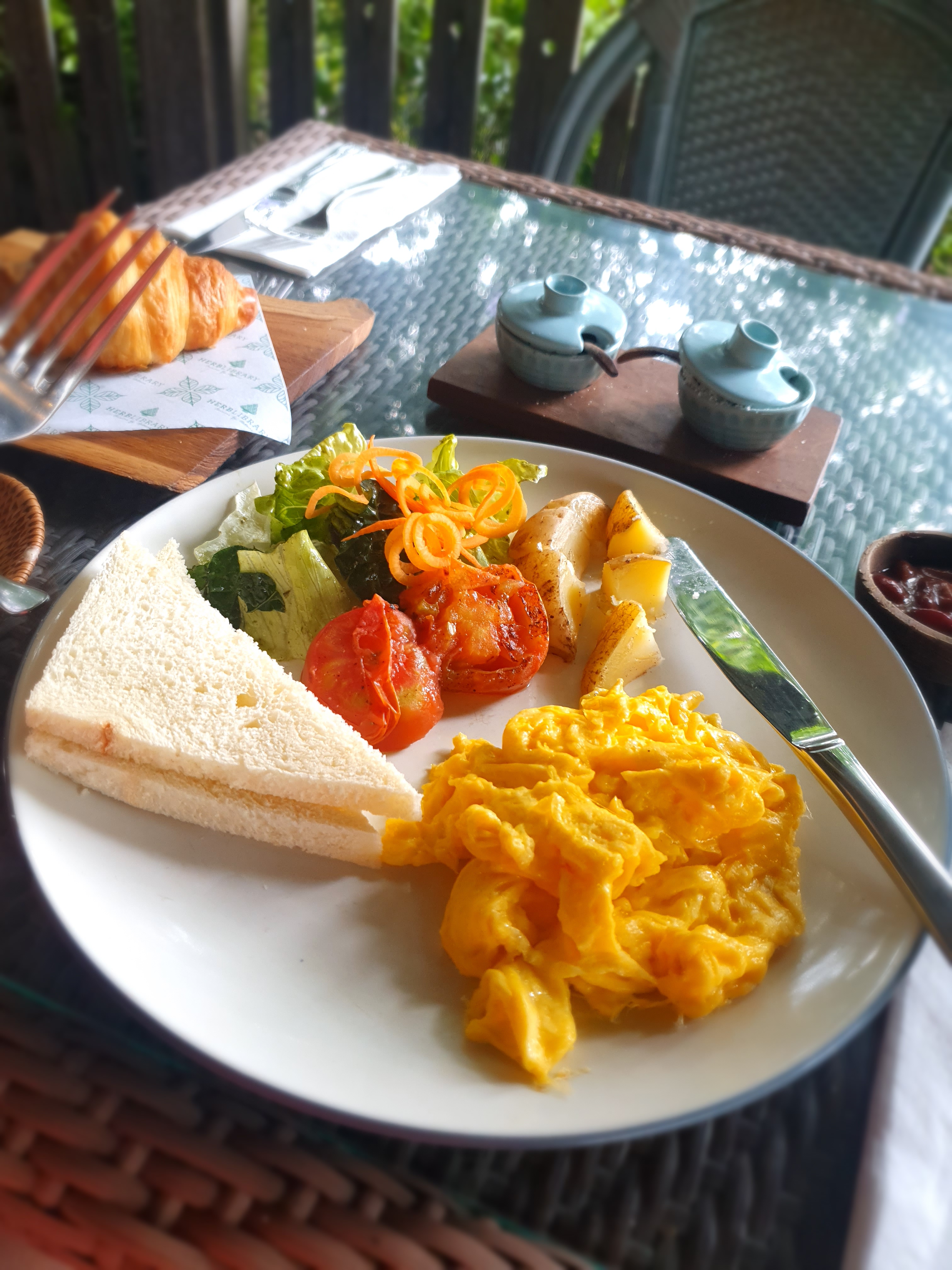
After eating a tummy-full, I packed my backpack, my camera, my hat and water as Dana drove me to our first spot for the day – Leke Leke Waterfall.
Sometimes the journey is more beautiful than the destination! On our way to the waterfall, I saw stunning rice paddy fields and rice terraces spread across miles and adjacent to the Agung and Batur mountains. Agung, meaning ‘big’, is an active volcanic mountain in Ubud and also the highest peak in Bali. The ash cloud produced by Mount Agung in 2017-2018 eruptions caused aviation emergency and alarmed the people living in the nearby radius. Since then, there has been no significant eruptions. I was feeling a bit scared when I was crossing the huge conical mountain, it felt dangerously beautiful.
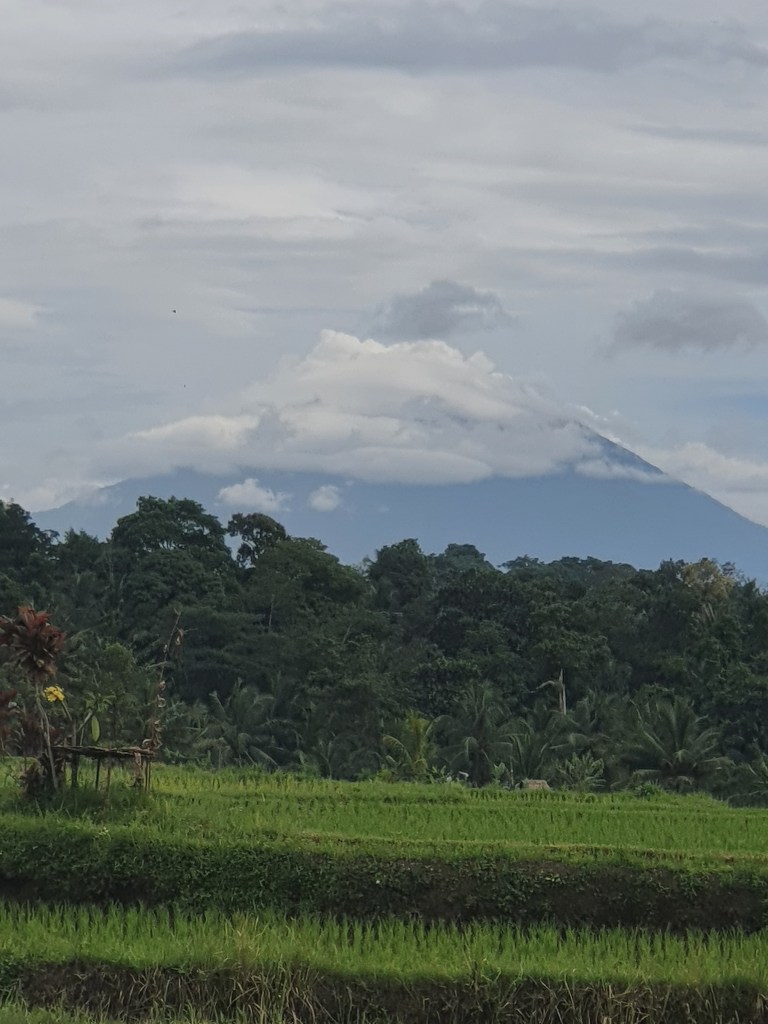
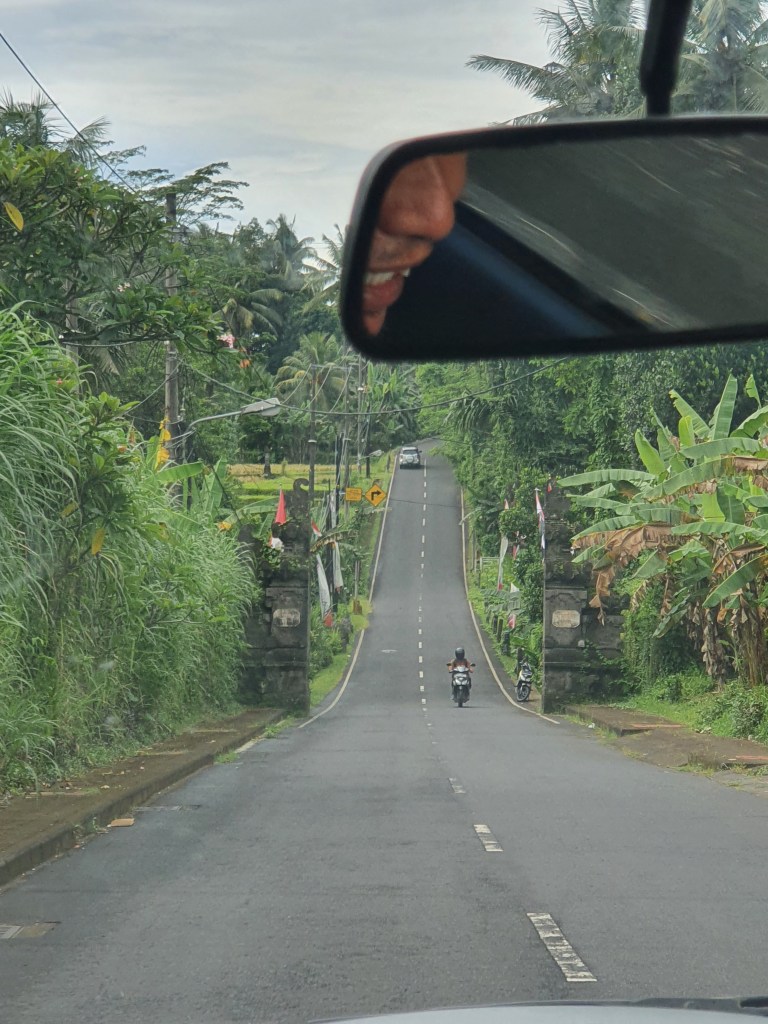
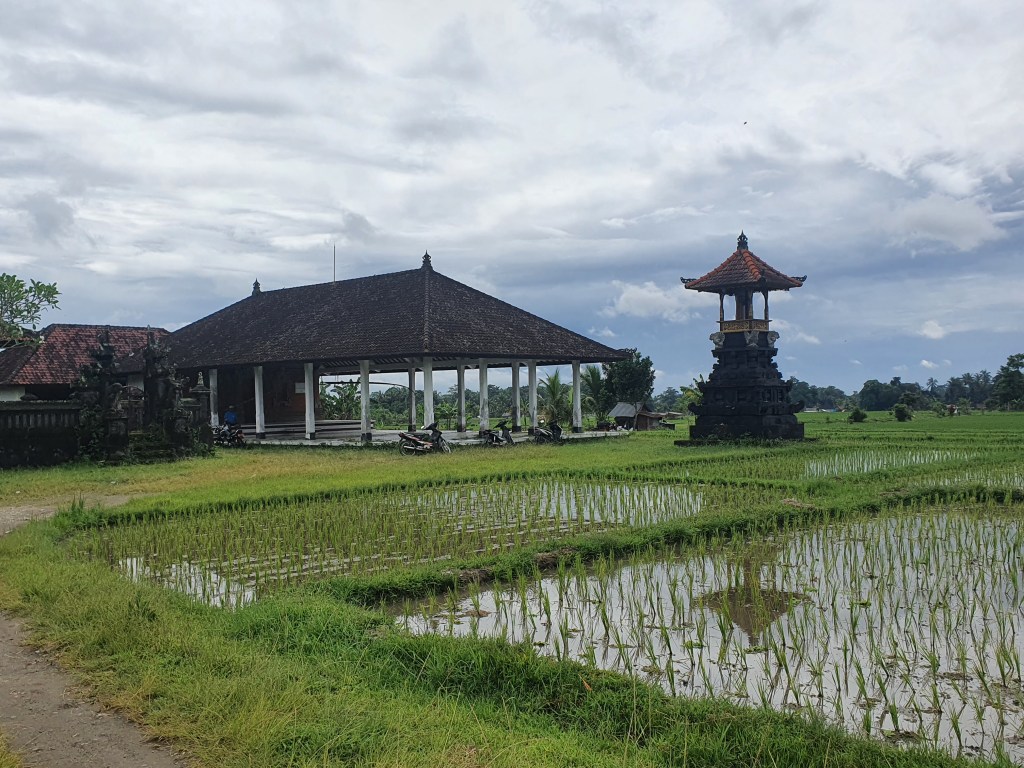
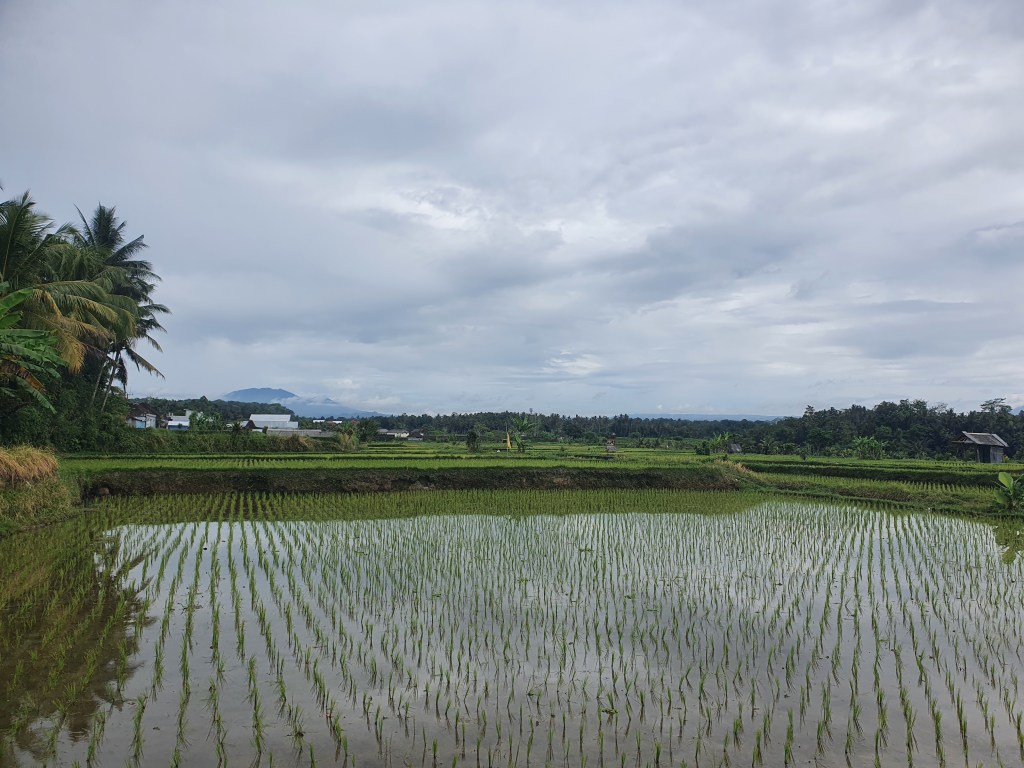
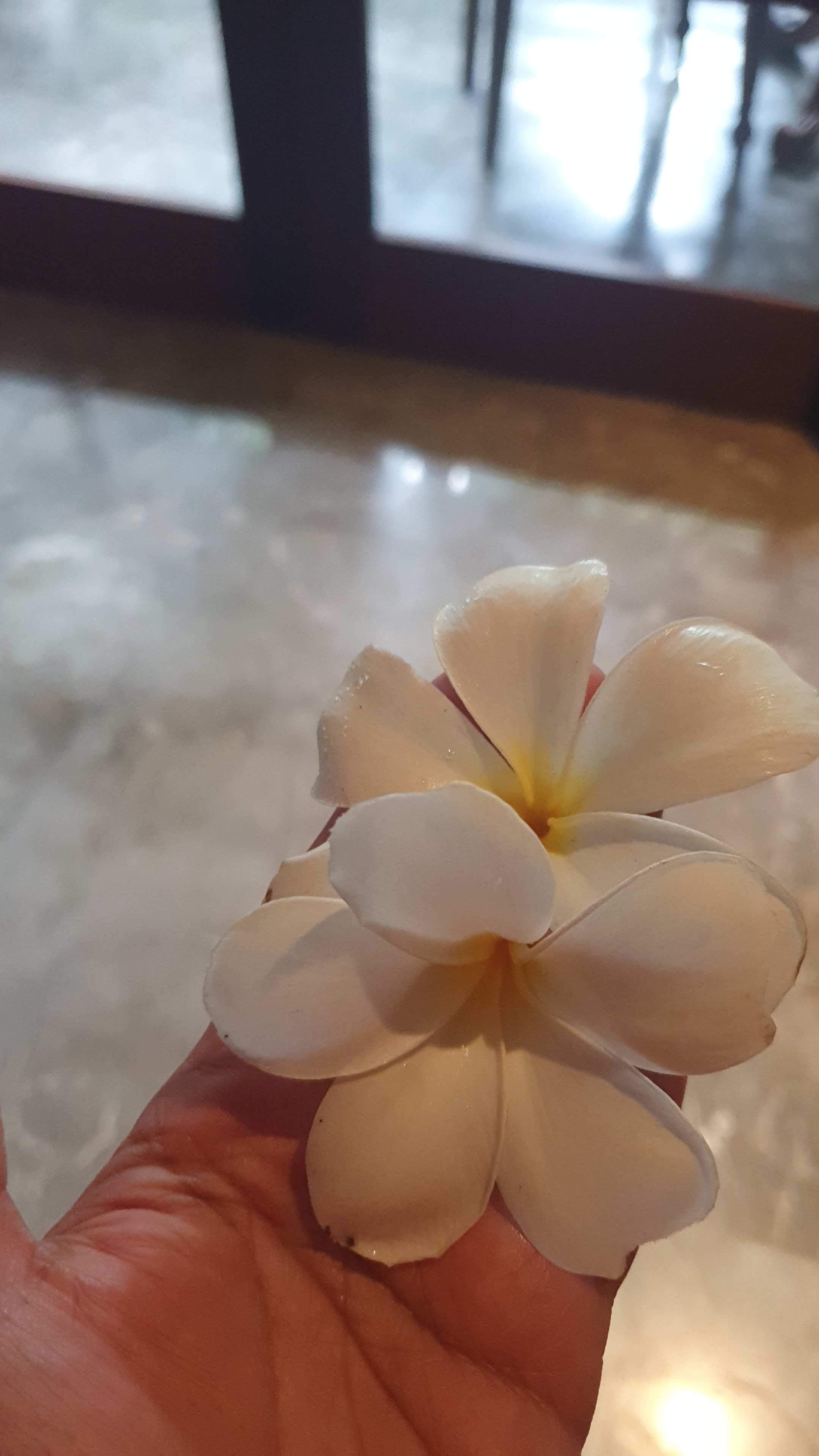
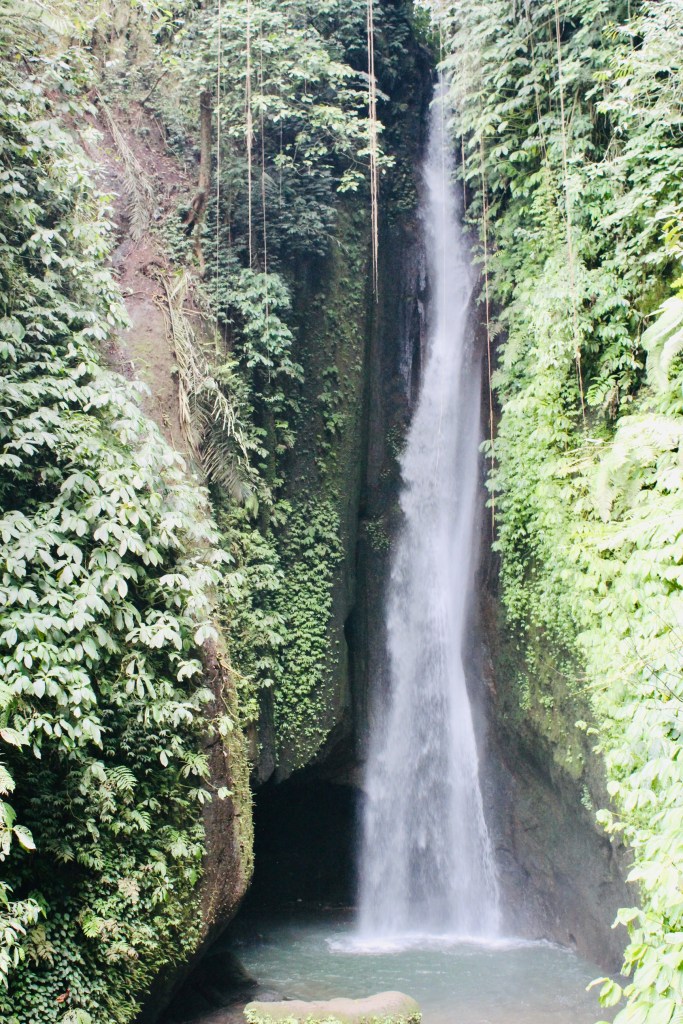
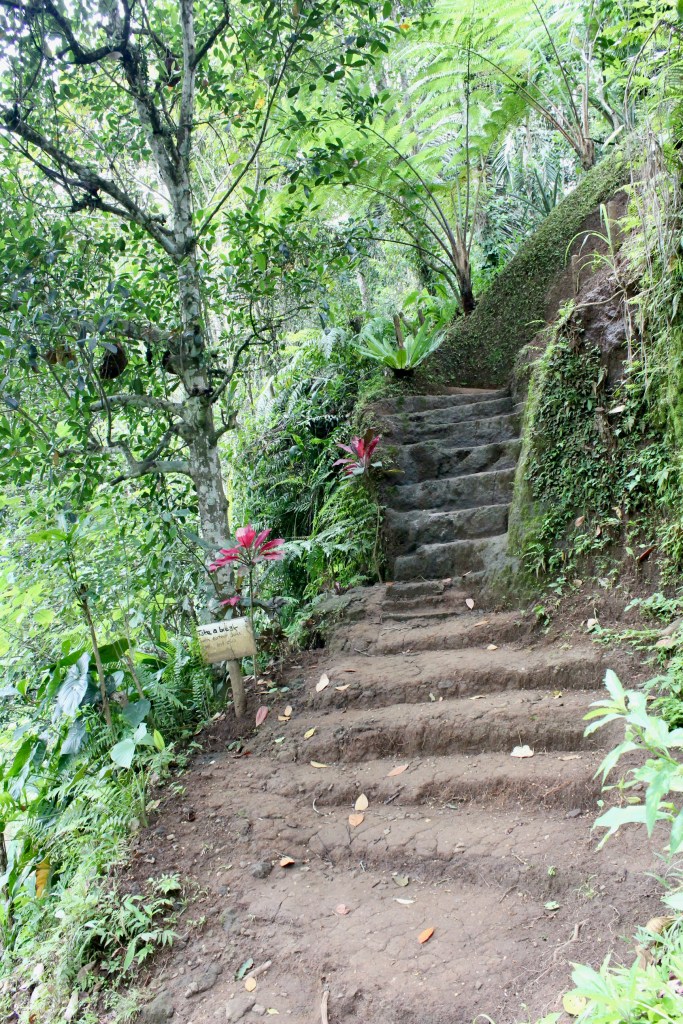
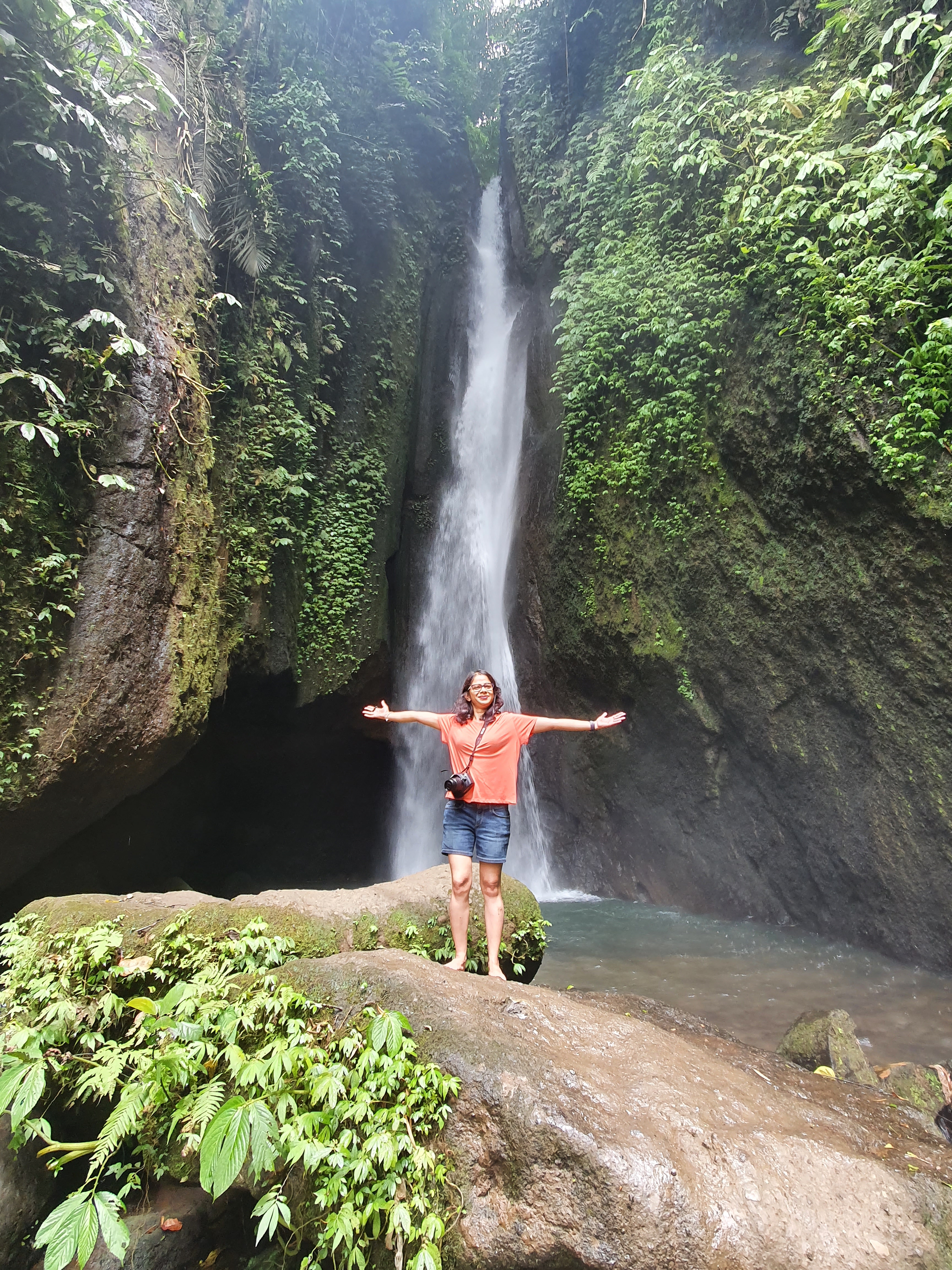
Mount Batur, meaning ‘purity’ is also an active volcanic mountain but comparatively smaller in size than Agung. There are many picturesque sunrise and sunset treks/hikes to Mount Batur. The frangipani tree and flower was seen all over Ubud during my journey. I also visited the monkey forest briefly, such incredible architectures, so old and yet so glaring! We reached the Leke Leke waterfall amidst the mountains and rice terraces. It was a 30 mins hike downhill to the waterfall, through muddy roads and broken steps. The rains had made the hike difficult yet beautiful and fresh. I reached the base of the waterfall after crossing the steps and walking through a wooden hanging bridge. The waterfall was surrounded by forestation and felt almost in an isolated spot. The water was rushing down the rocks at a high velocity, a pool of water had formed underneath guarded by boulders. There were few tourists there. I opened my shoes and went near the freezing water. My driver who had kindly accompanied me, advised me to be away from being directly beneath the waterfall as it was a comparatively big waterfall. It felt amazing dipping my feet in the cold water and hearing the soothing sound of the rushing water amidst the forest. I spent some time here just to feel the water and the ambience. After a while, we slowly hiked back up to our car. The 1.5 hours’ drive from the main town was worth it.


Ulun Danu Beratan Temple..
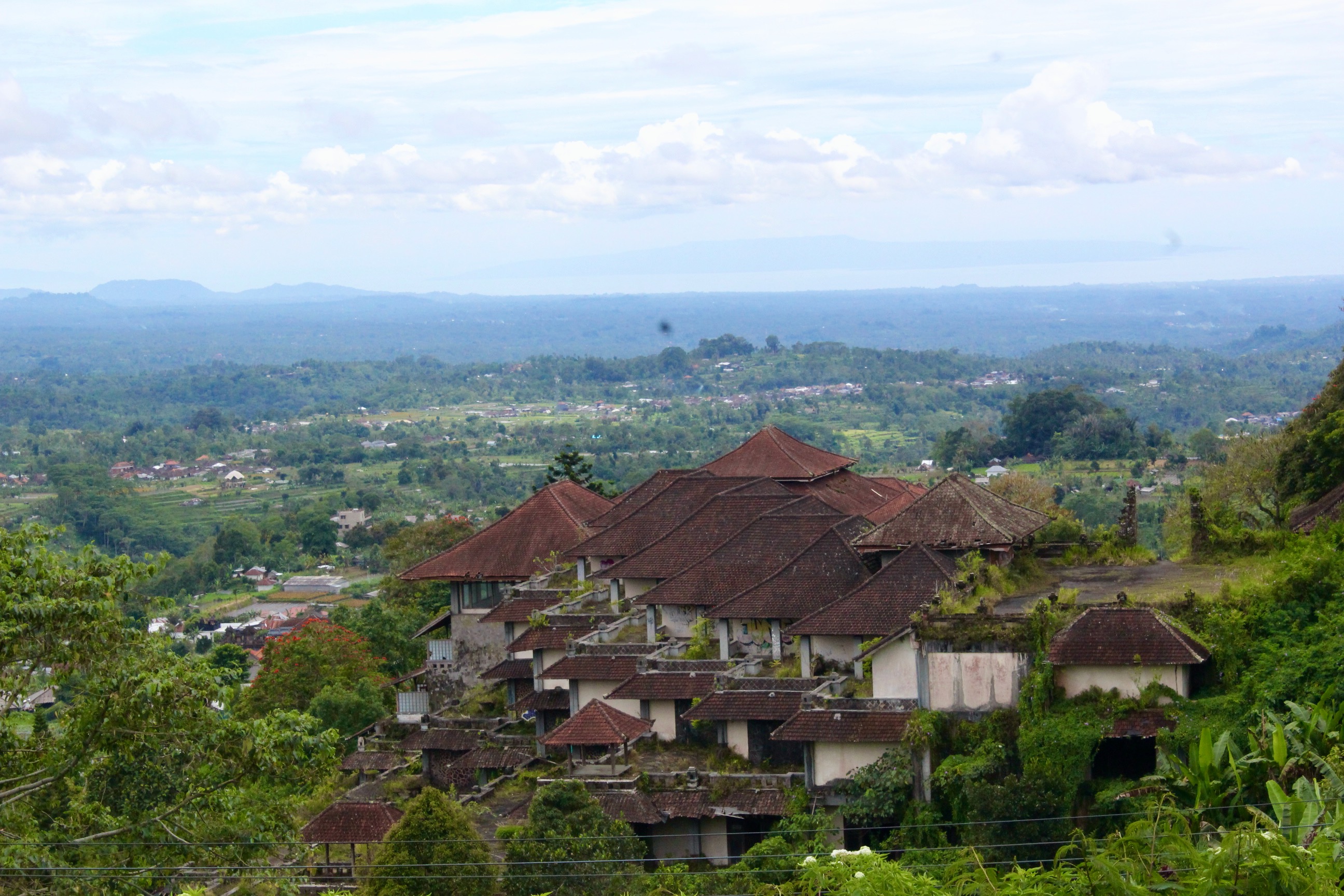
After leke leke waterfall, our next stop was the famous Ulun Danu temple. I had seen so many Google images of this temple that I couldn’t wait to see it. One the way, my driver Dana showed me a ghosted palace hotel which apparently couldn’t be built and opened to tourists due to multiple accidents during its construction. The story was quite spooky and felt real.
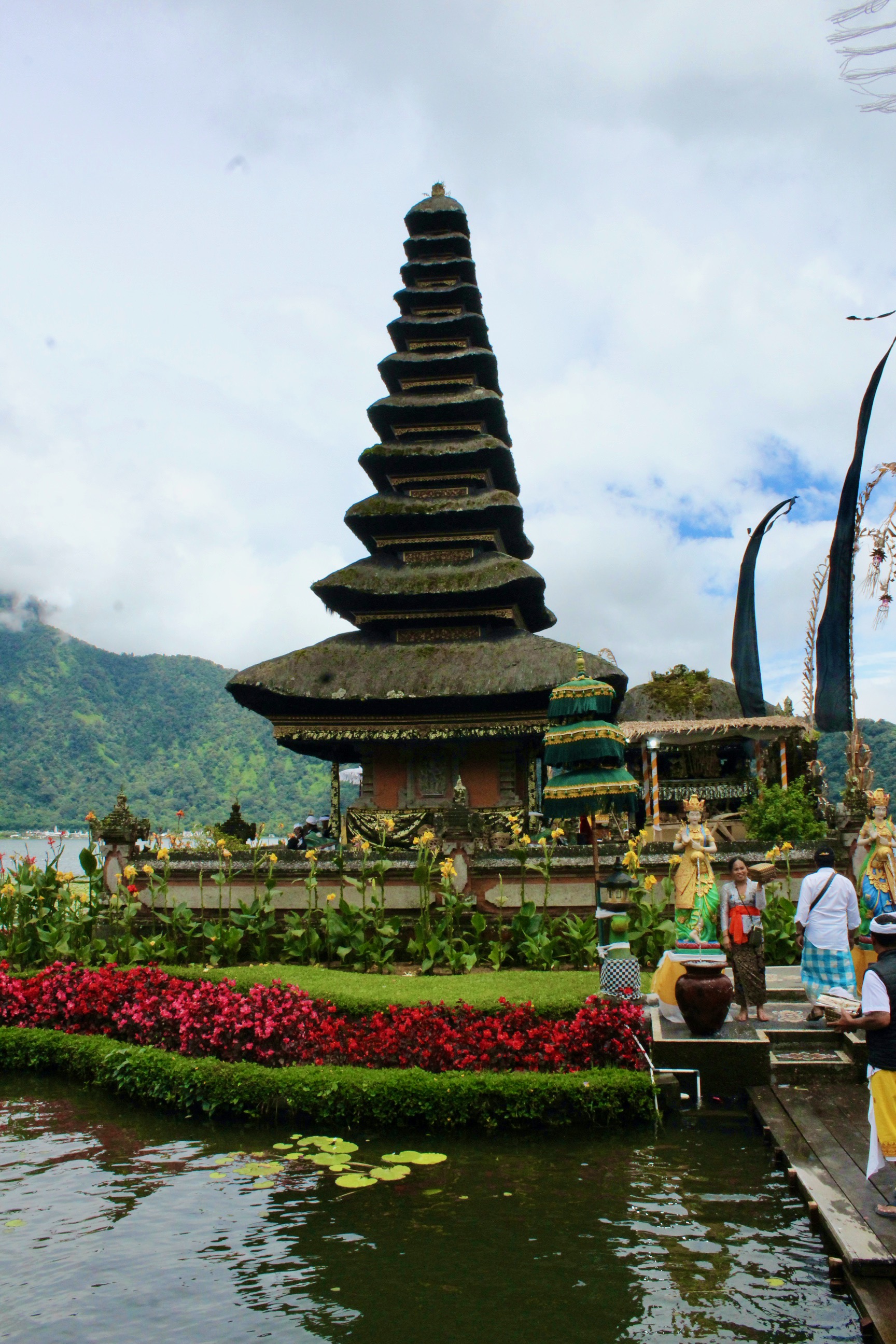
We soon reached the lake Beratan in the mountains near Bedugul, and I could see the glimpse of the most colourful “Ulun Danu” (above the lake) temple. Tourists are not allowed inside the temples in Indonesia but can visit the temple premises and take photographs from a distance.
It was a short walk from the entrance gate to the main temple. We got my entrance ticket at the reception. As I walked my way towards the temple, I saw five compounds of temples and one Buddhist Stupa namely:
- Penataran Agung temple
- Dalem Purwa temple
- Taman Beiji temple
- Lingga Petak temple (in the middle of Lake Beratan)
- Prajapati temple
- Buddhist stupa
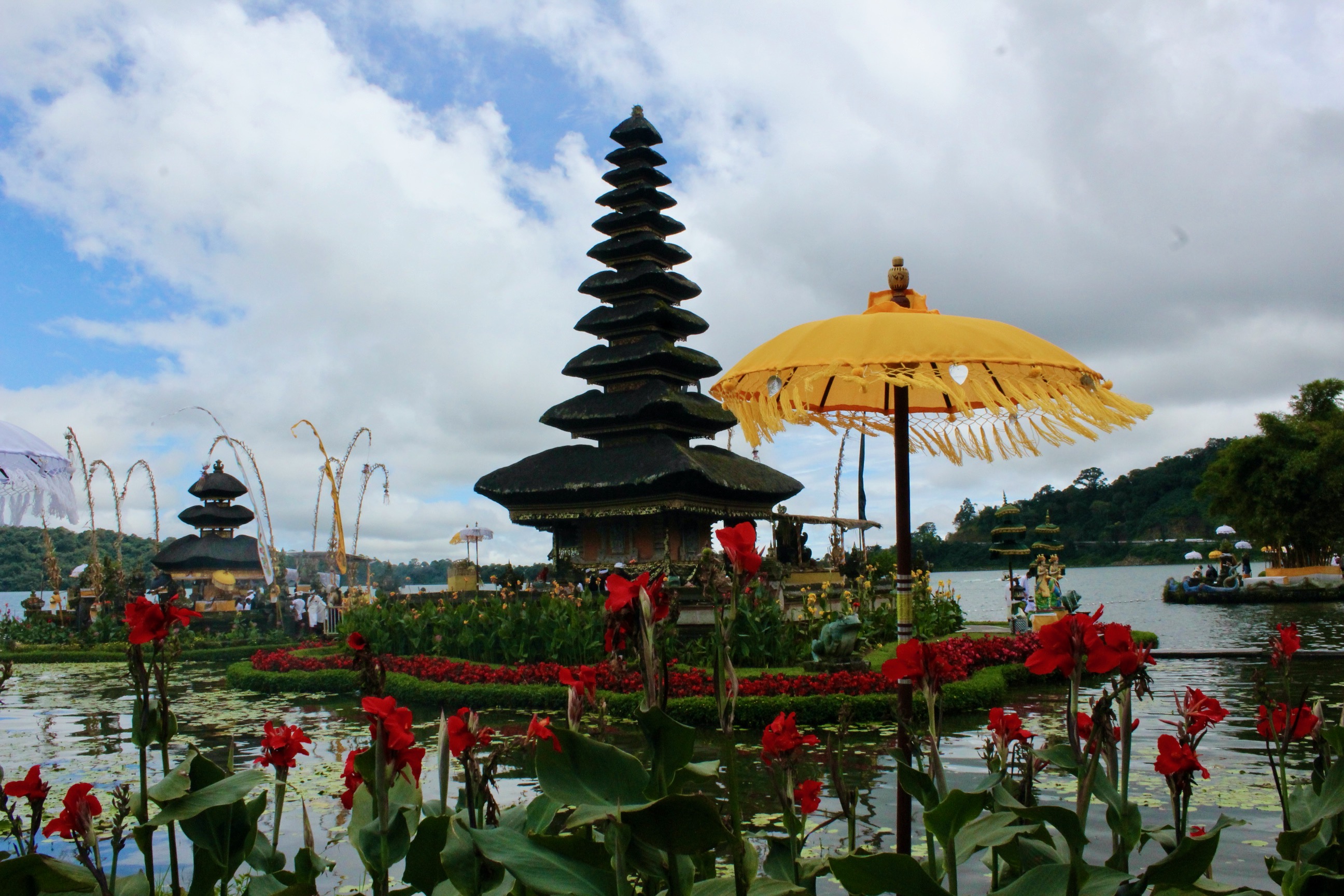
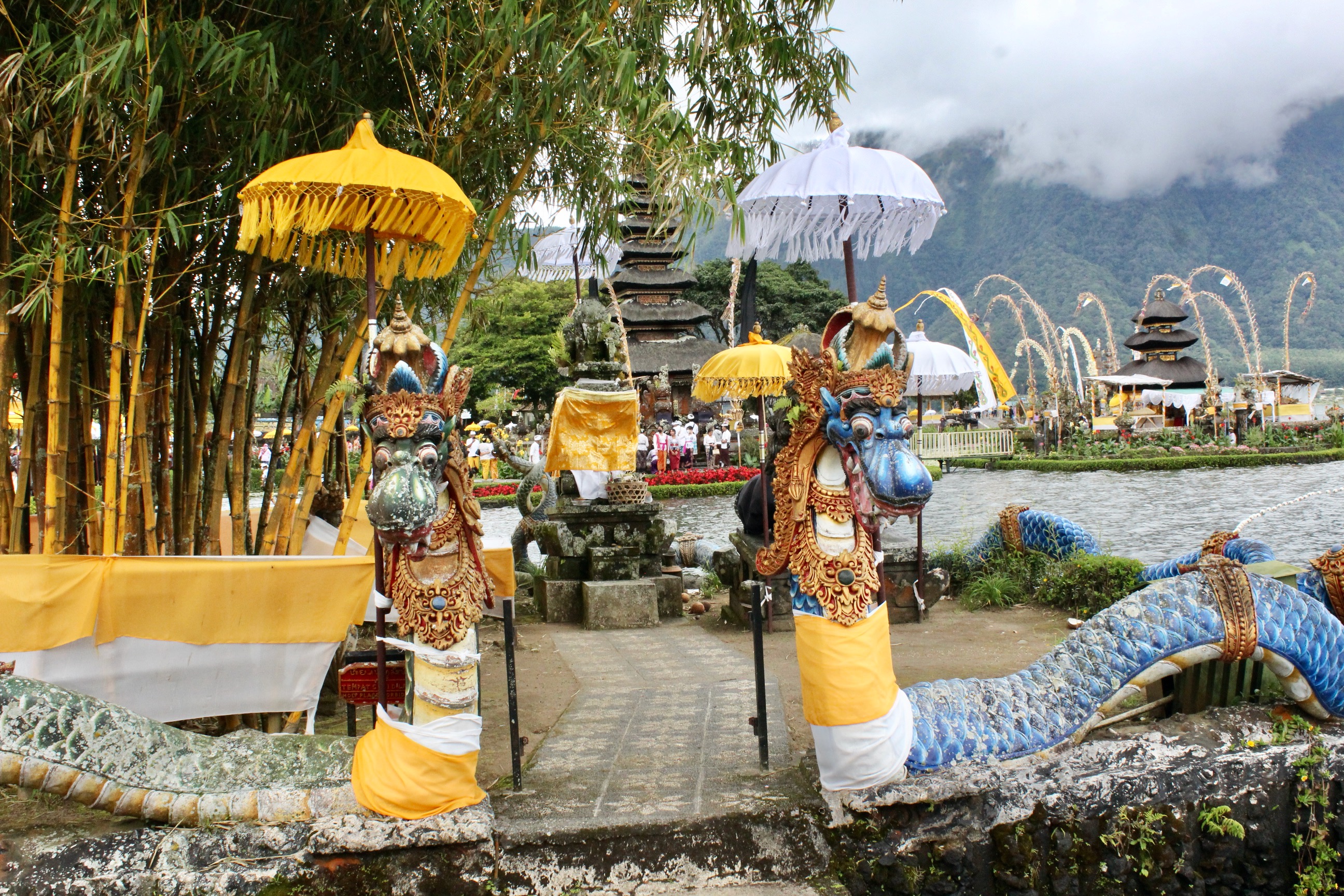
Ulun Danu is the most important Hindu temple for the Balineese and is located approximately 1200 metres above sea level and surrounded by the lake, mountain and rice terraces. It is one of the most visited iconic tourist destinations in Bali. I clicked many photographs of the temple, the surrounding lake and the mountain, but the photographs felt insignificant compared to what my eyes were visualising. It was calming to the soul and soothing to the eyes. A place full of tourists, yet as if so quiet and spiritual that you can almost hear your own inner voice. There is a restaurant and a garden surrounding the temple where I grabbed some local food before I headed off for my massage appointment at the Karsa spa.

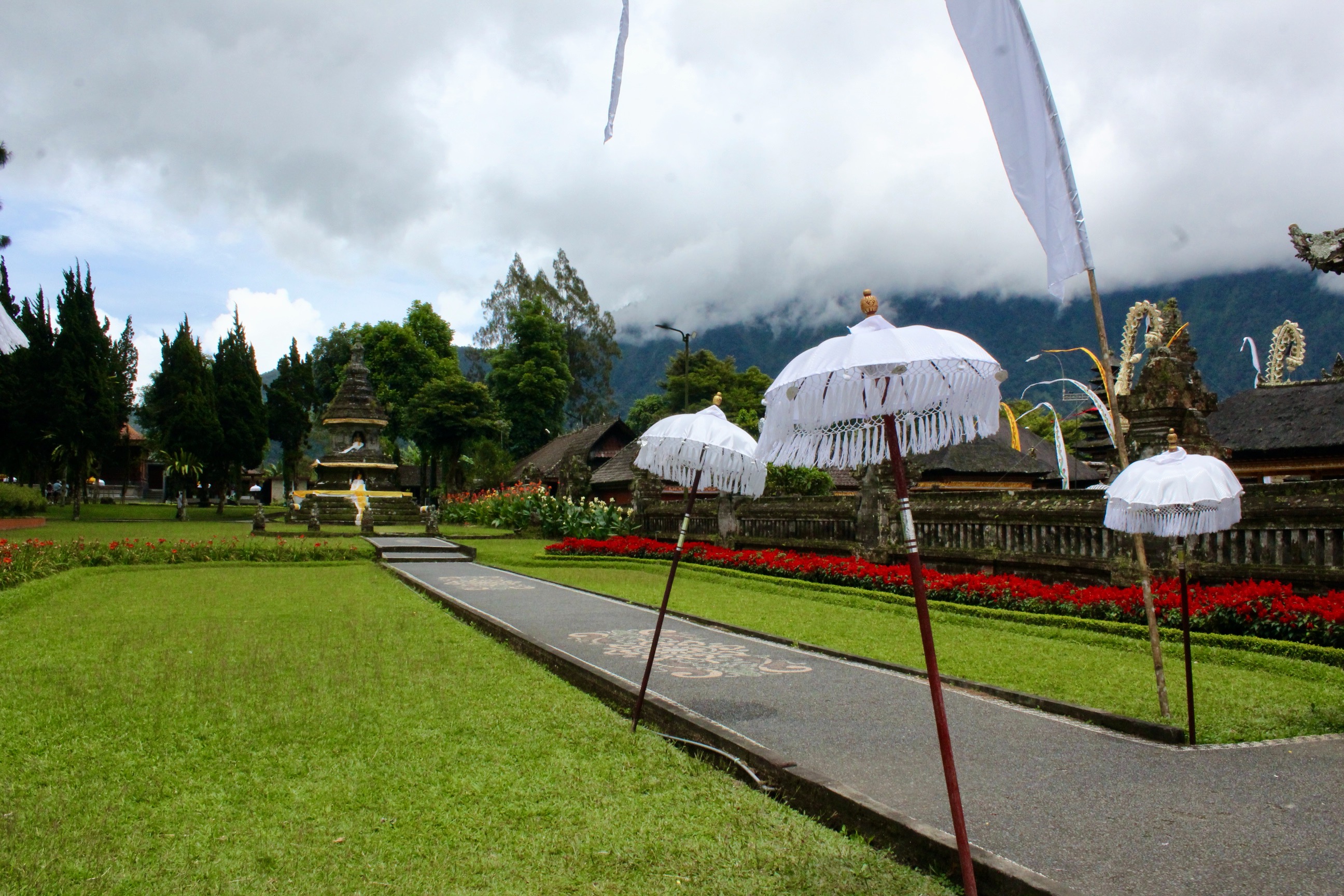
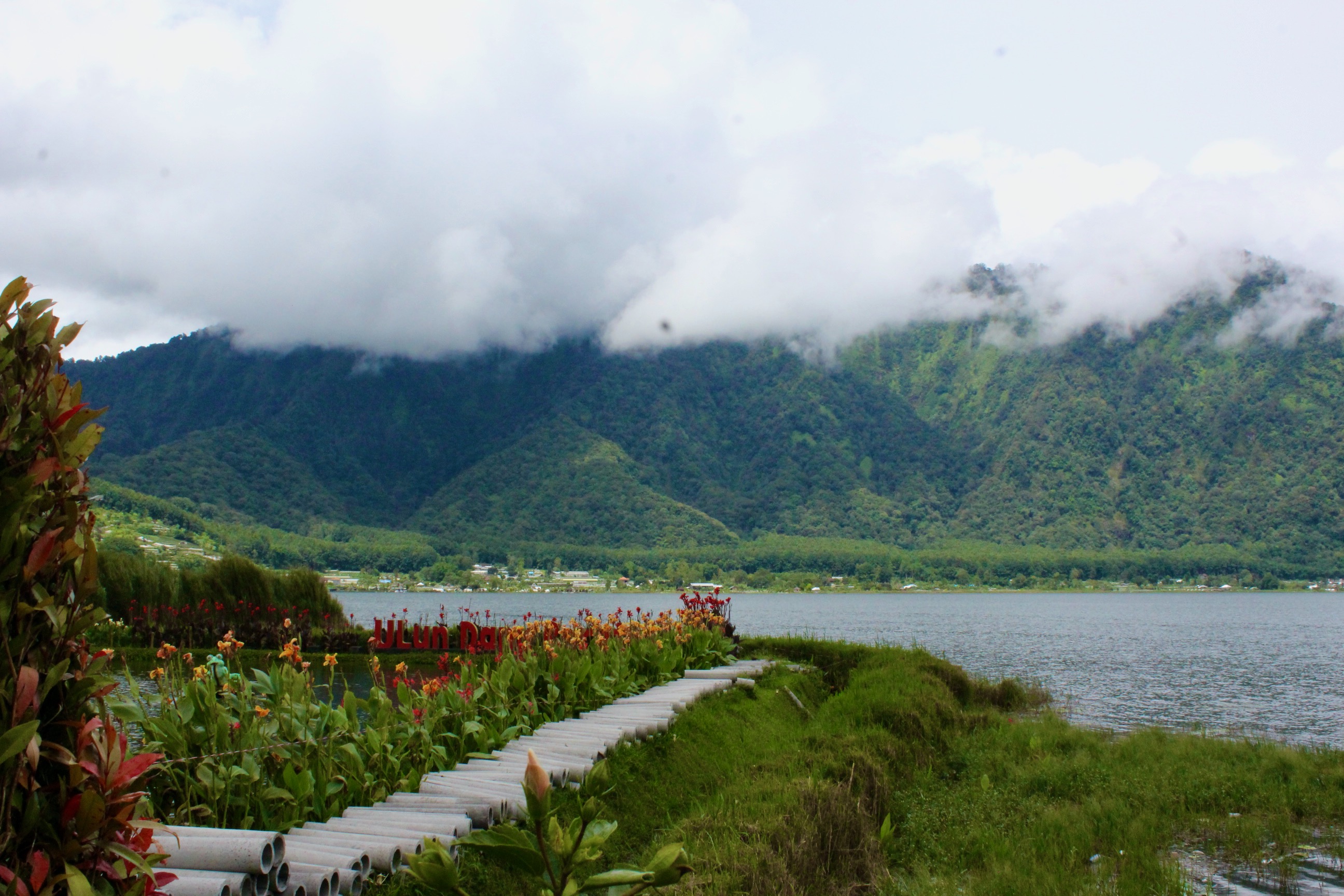
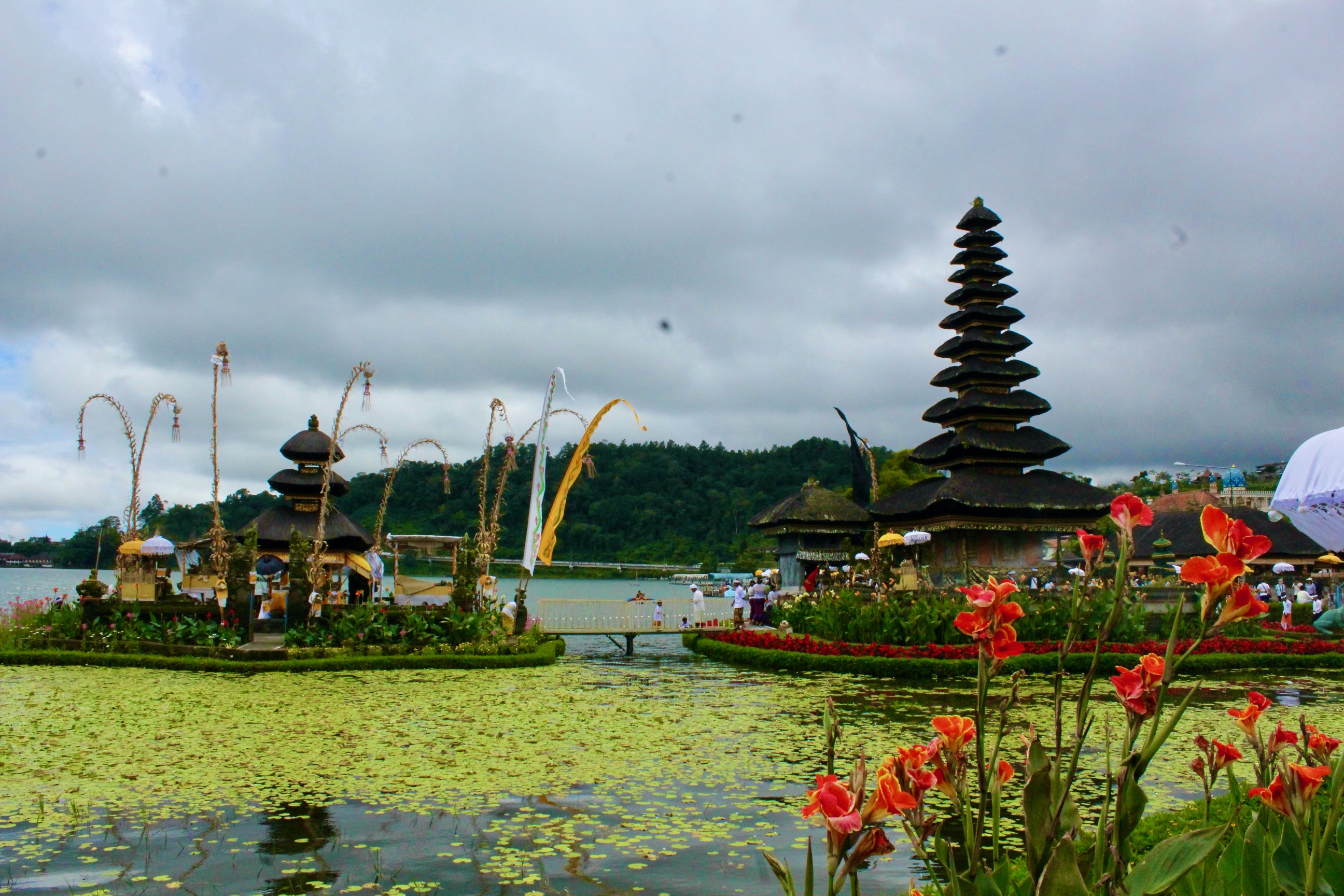
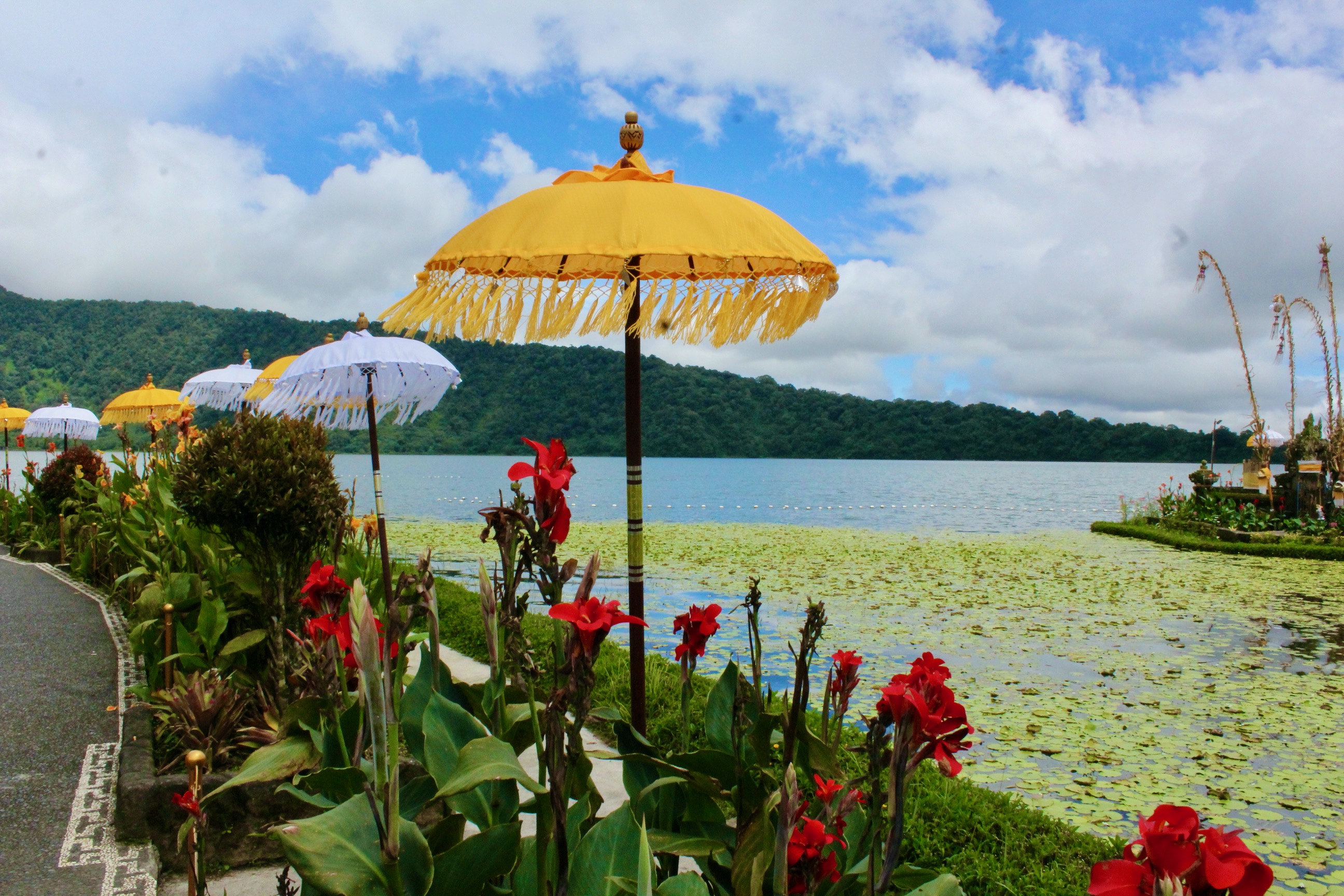
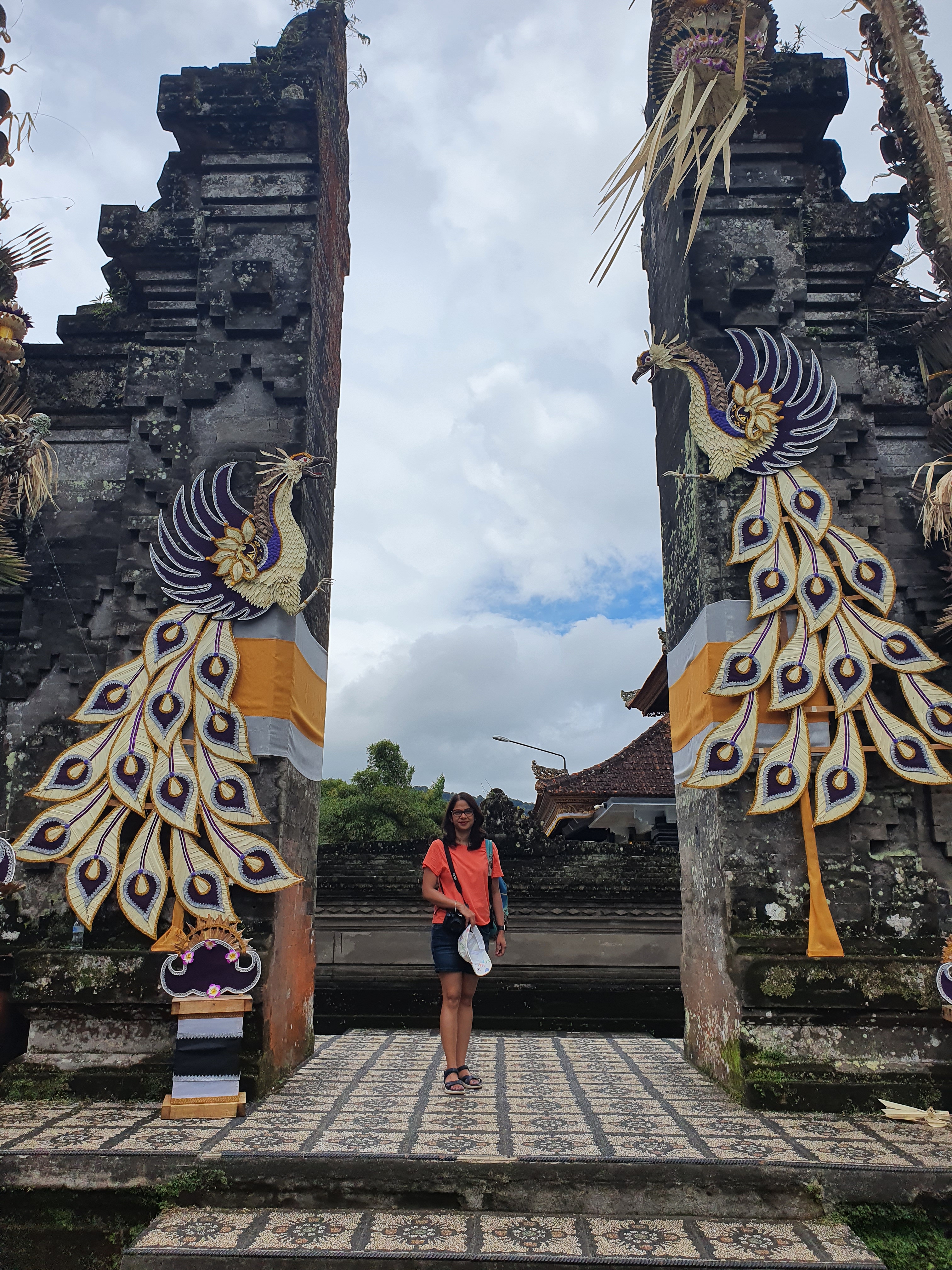
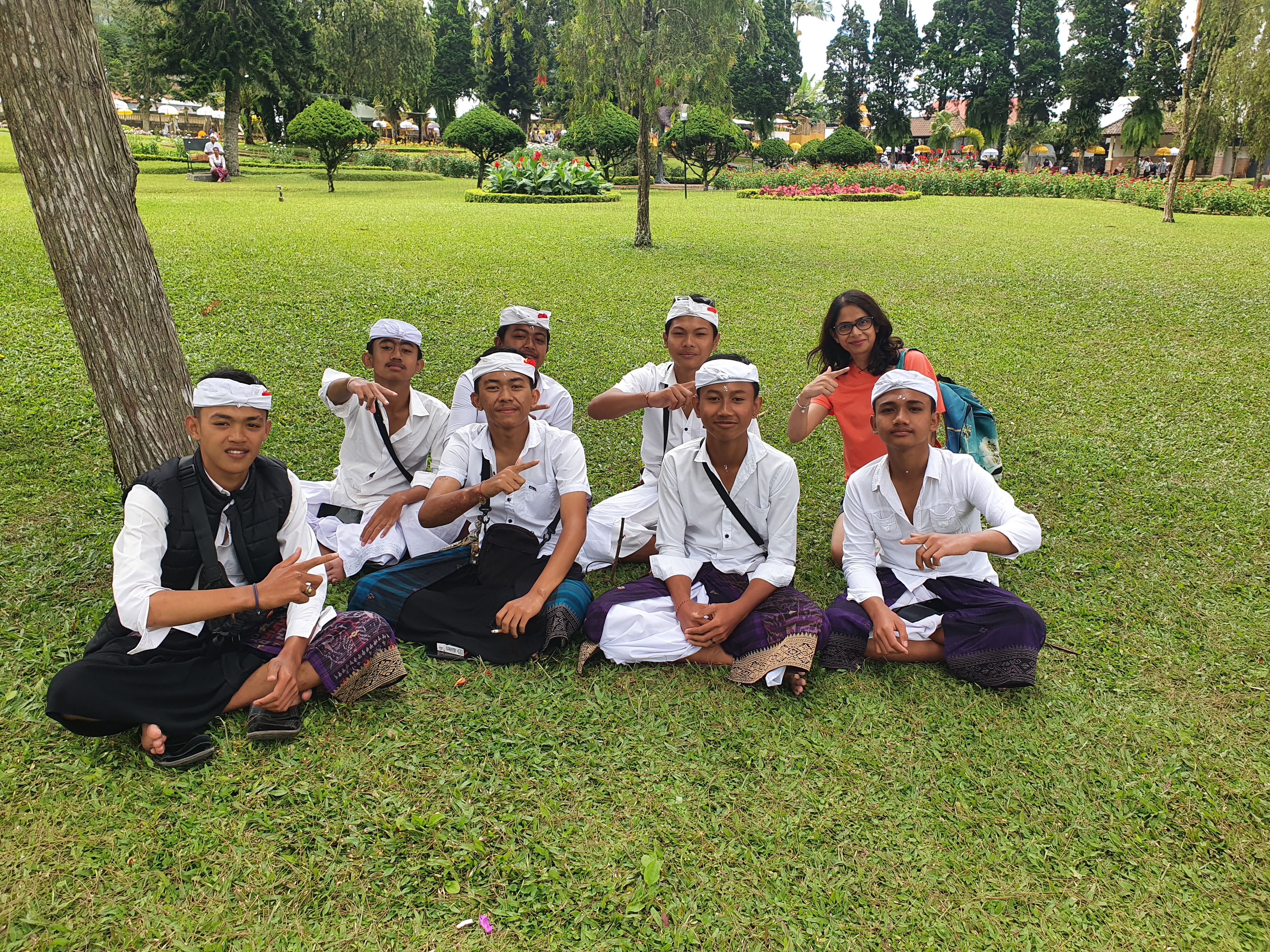
On the way back, Dana told me that there three main temples in every village in Bali – The Brahma, Vishnu and Siva. Lord Brahma signifies the beginning of life; lord Vishnu signify the present while lord Siva signify the end of life. There is always a big temple in the village where all the villagers visit to worship. Some families even have their own family temple. It was very captivating to hear facts from a local.
Spa amidst paddy fields..
Karsa spa was located a bit further away from the main town of Ubud and amidst rice paddy fields. As soon as I reached the spa for my ‘Balinese’ and ‘singing bowl’ massage, it started raining. The receptionist offered me a cup of Balinese turmeric tea and asked me to change my shoes to comfortable slippers. My masseuse escorted me to my massage room holding an umbrella very kindly and walking alongside. The room was arranged in the most natural way. The roof was made of wood and straw, there was a wooden bed and a natural bath, simple yet cosy. I could hear the drops of rainwater falling on the roof creating the most beautiful symphony. By being in those natural surroundings I was already feeling relaxed. After an hour of the most relaxing and unique massages, all my muscle tightness had disappeared. I was a relaxed and a happy soul.

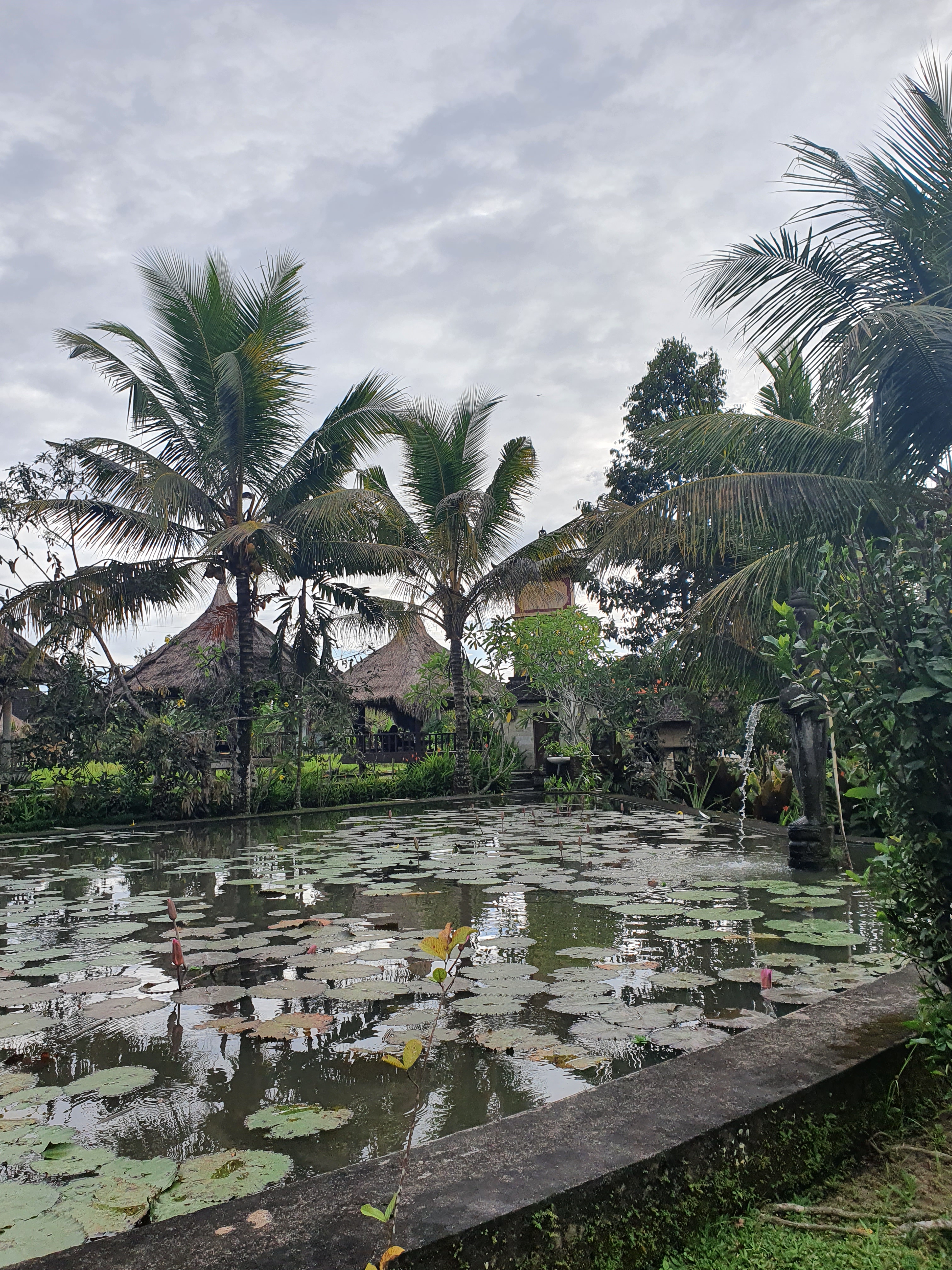
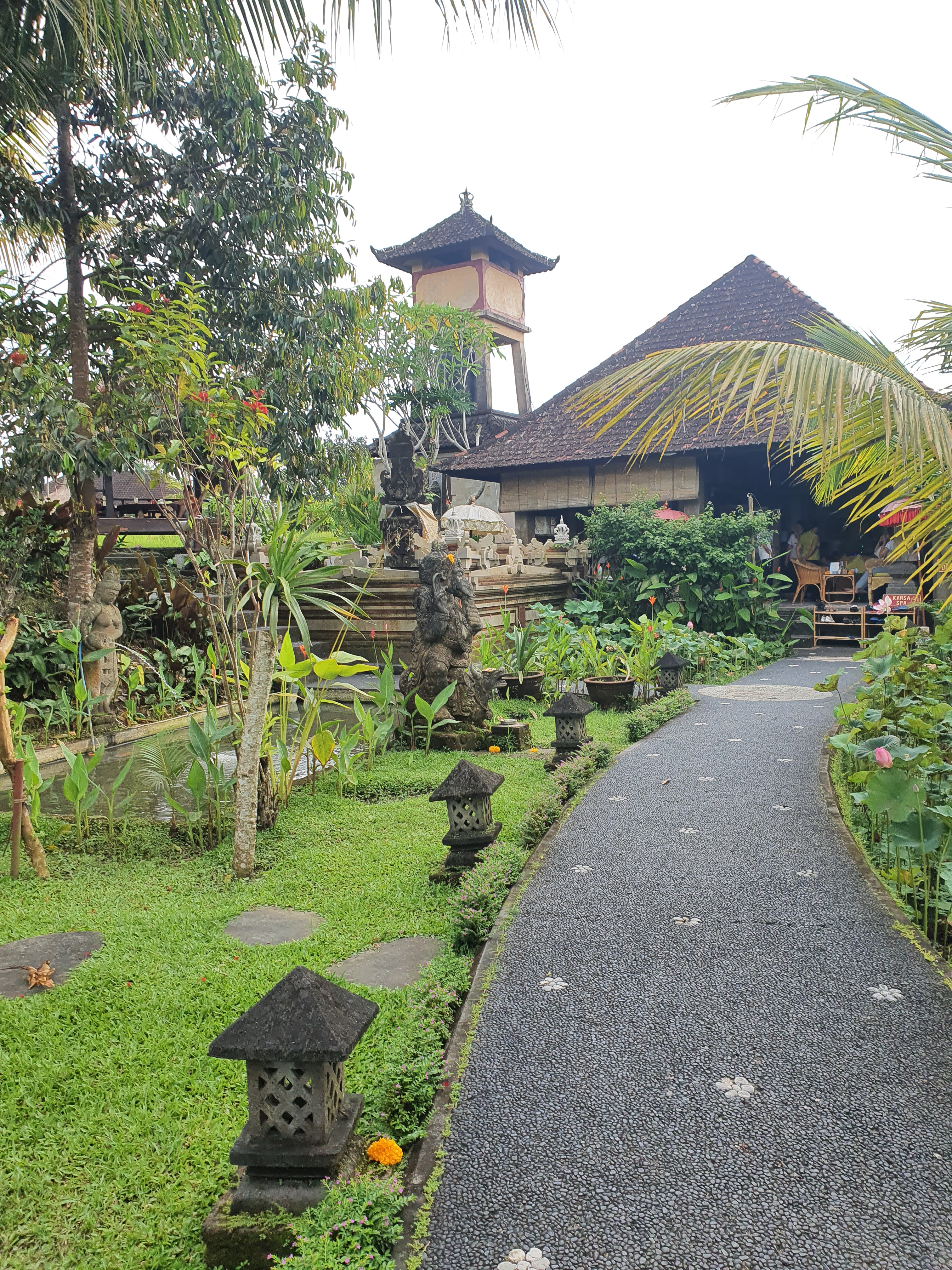
My body was tired due to the day long hikes and treks to waterfall. After a healthy dinner, I crashed on my bed, while the rains continued outside all through the night.
Let’s see Ubud…Day two..
I woke with the sound of the persistent rains. After a nice cold shower, I headed for my buffet breakfast. I borrowed an umbrella from the reception as it was still fluctuating between rains and drizzle. My driver Dana picked me up straight after breakfast. We had three or four places in our itinerary for that day. We headed off to our first stop – The Goa Gajah temple.
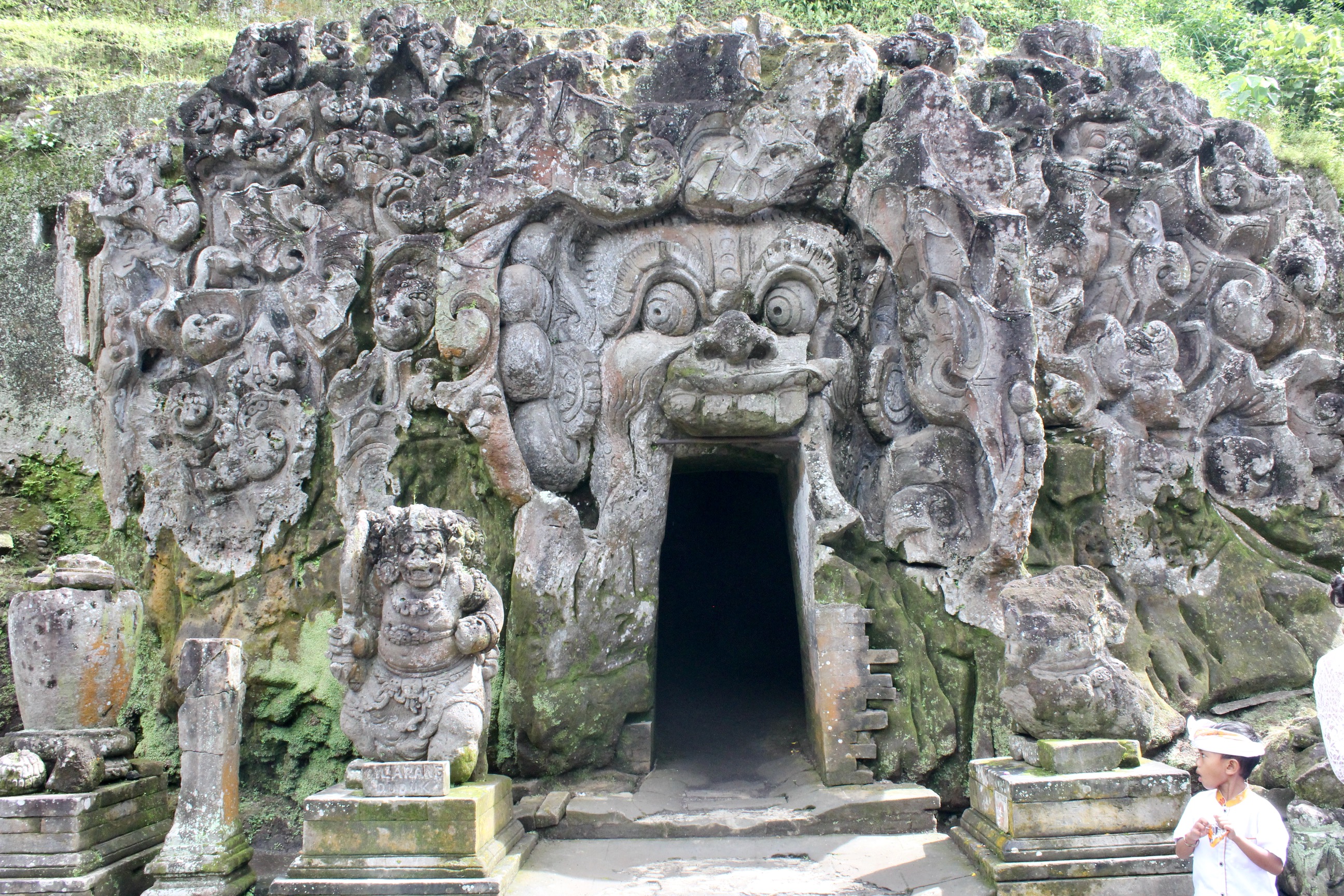
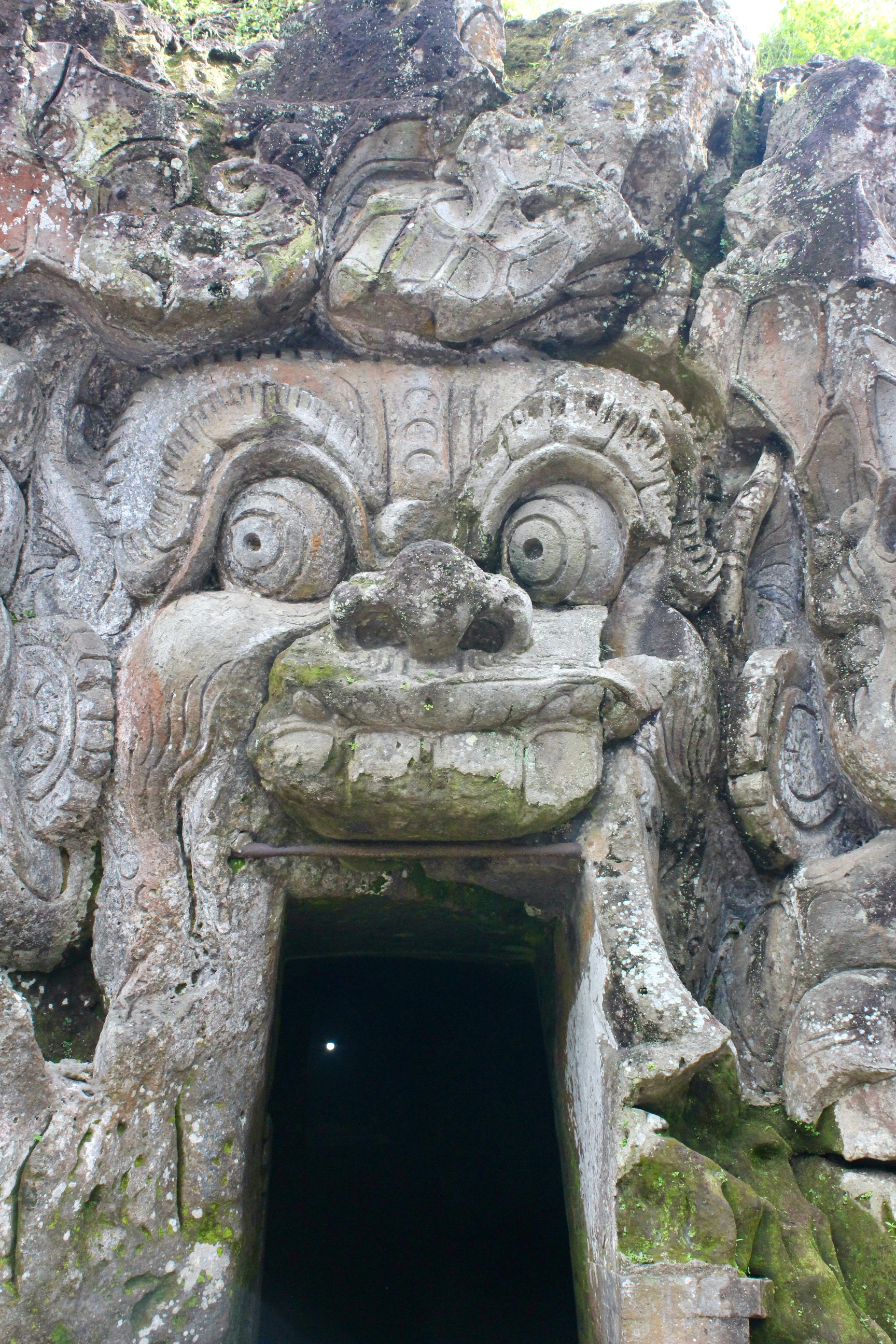
‘Goa Gajah’ meaning ‘Elephant Cave’ is an archaeological site 6 kilometres from central Ubud town. It is a quant, peaceful place with a small temple inside the cave, a garden with a temple of Lord Budhdha and a broken yet beautiful Budhdha sculptor. The temple is portrayed by ominous faces that are artistically carved into the stone, whose purpose is assumed to be the warding off the evil spirits. The primary idol was once thought to be an elephant, hence the nickname Elephant Cave. Other sources state that it is named after the stone statue of the Hindu God Ganesha. I saw the priests conducting holy ritual in the temple premises, the air smelled spiritual and woody. My day already had a great start.

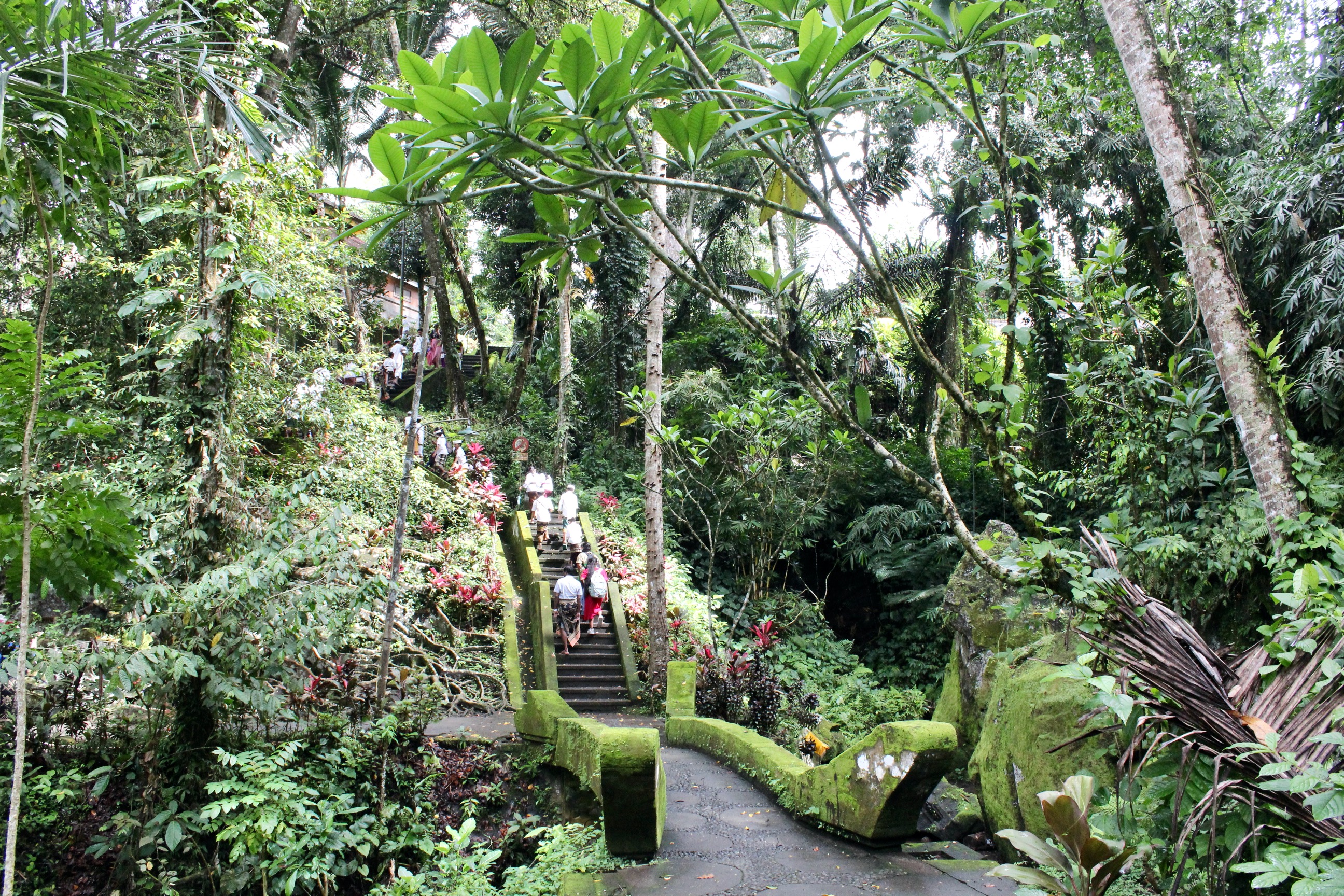
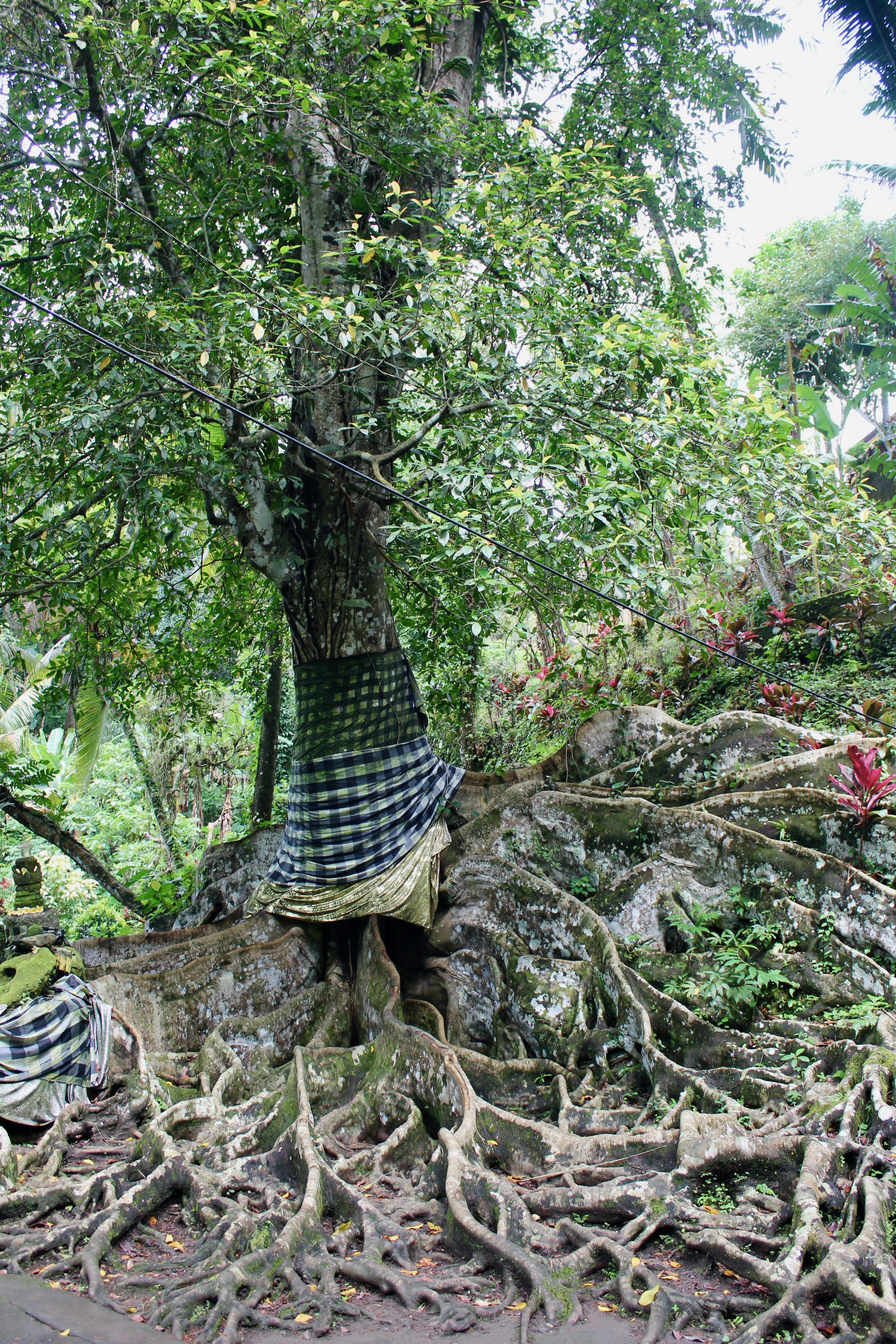

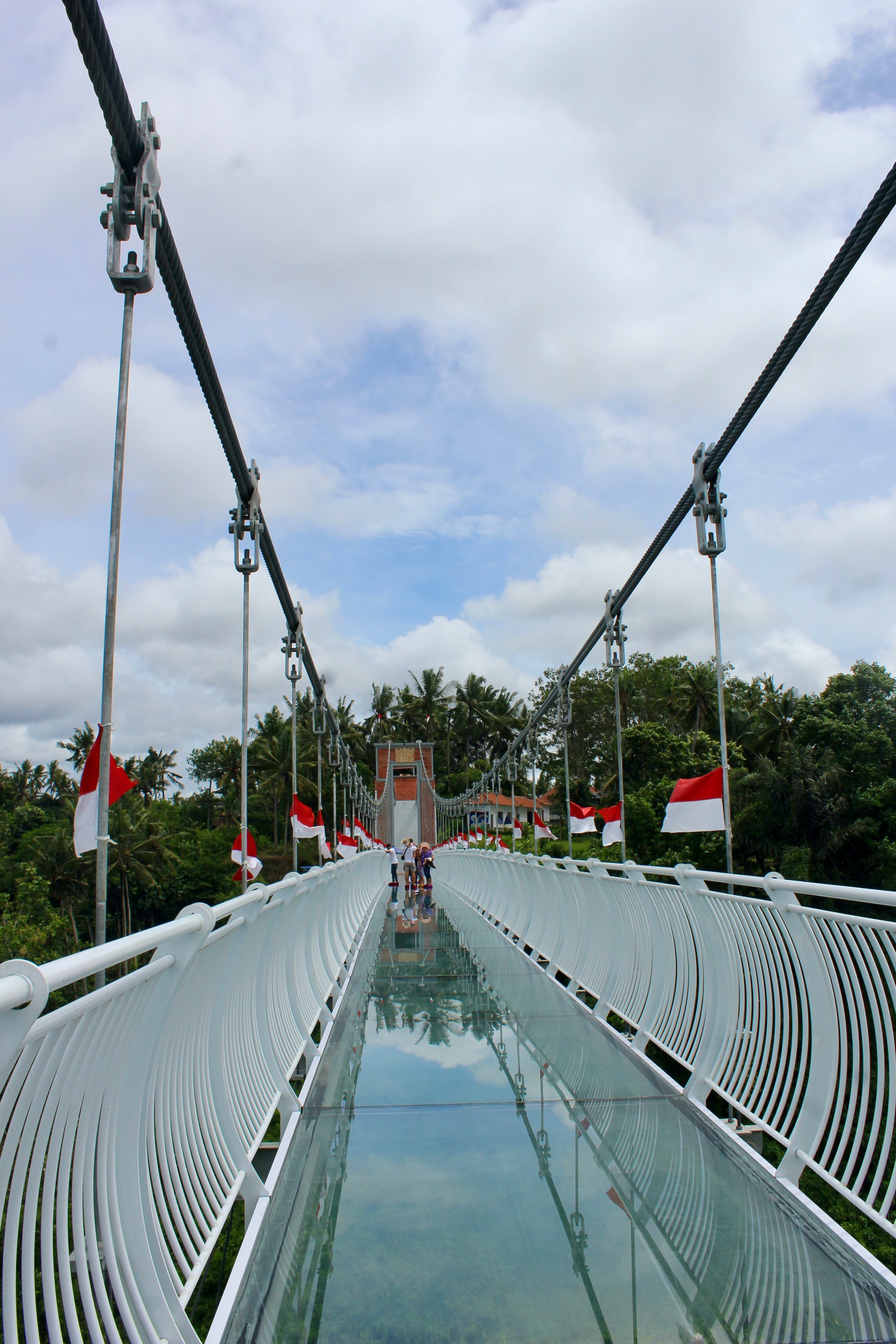
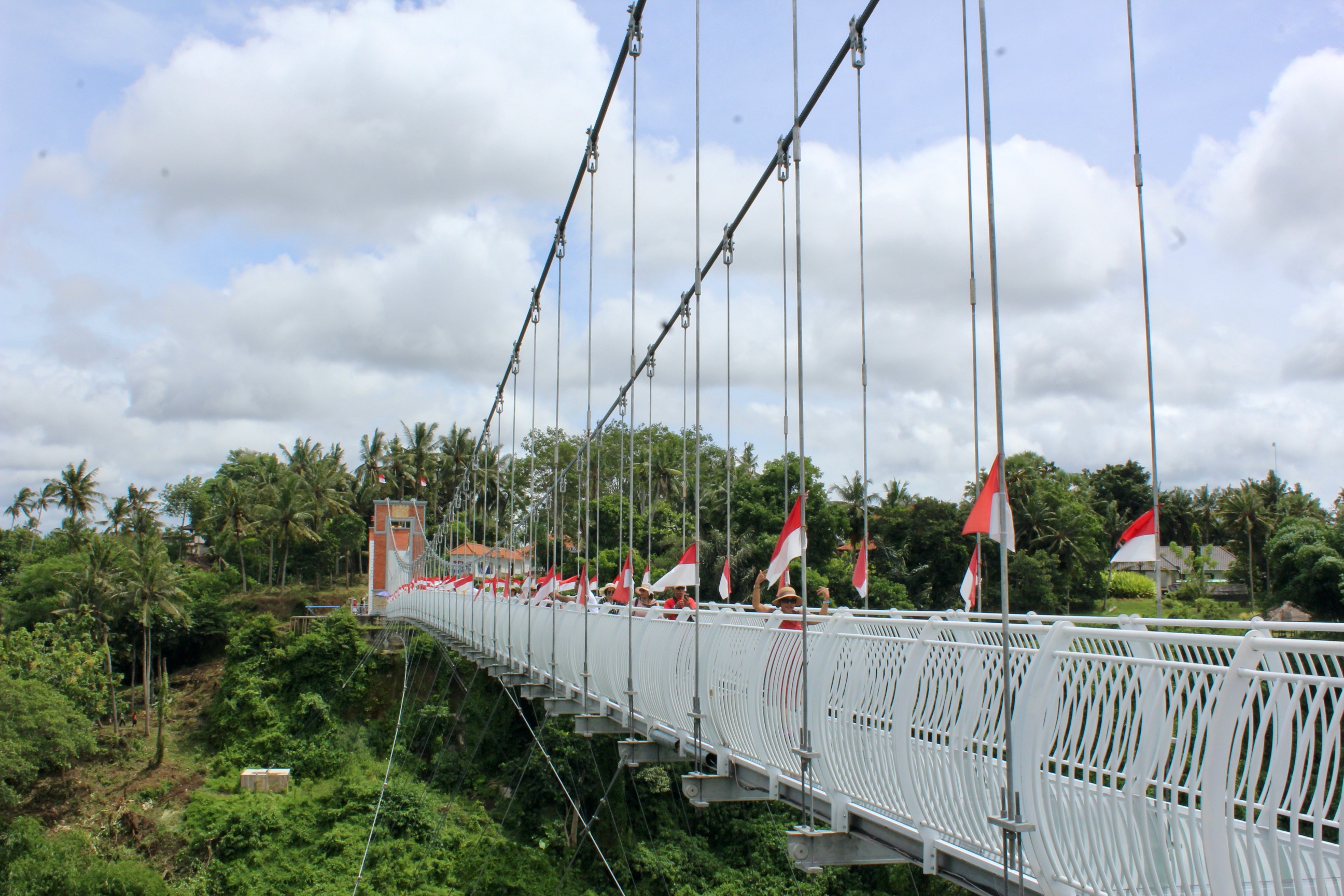
After the Goa Gajah, we headed off to the “Bali Glass bridge”. This is a relatively new tourist spot very near to the Goa Gajah built in November 2022. The floating bridge was scary but adventurous. It was very windy and drizzling, so I decided to head back to the car. This place is a bit commercial and expensive.
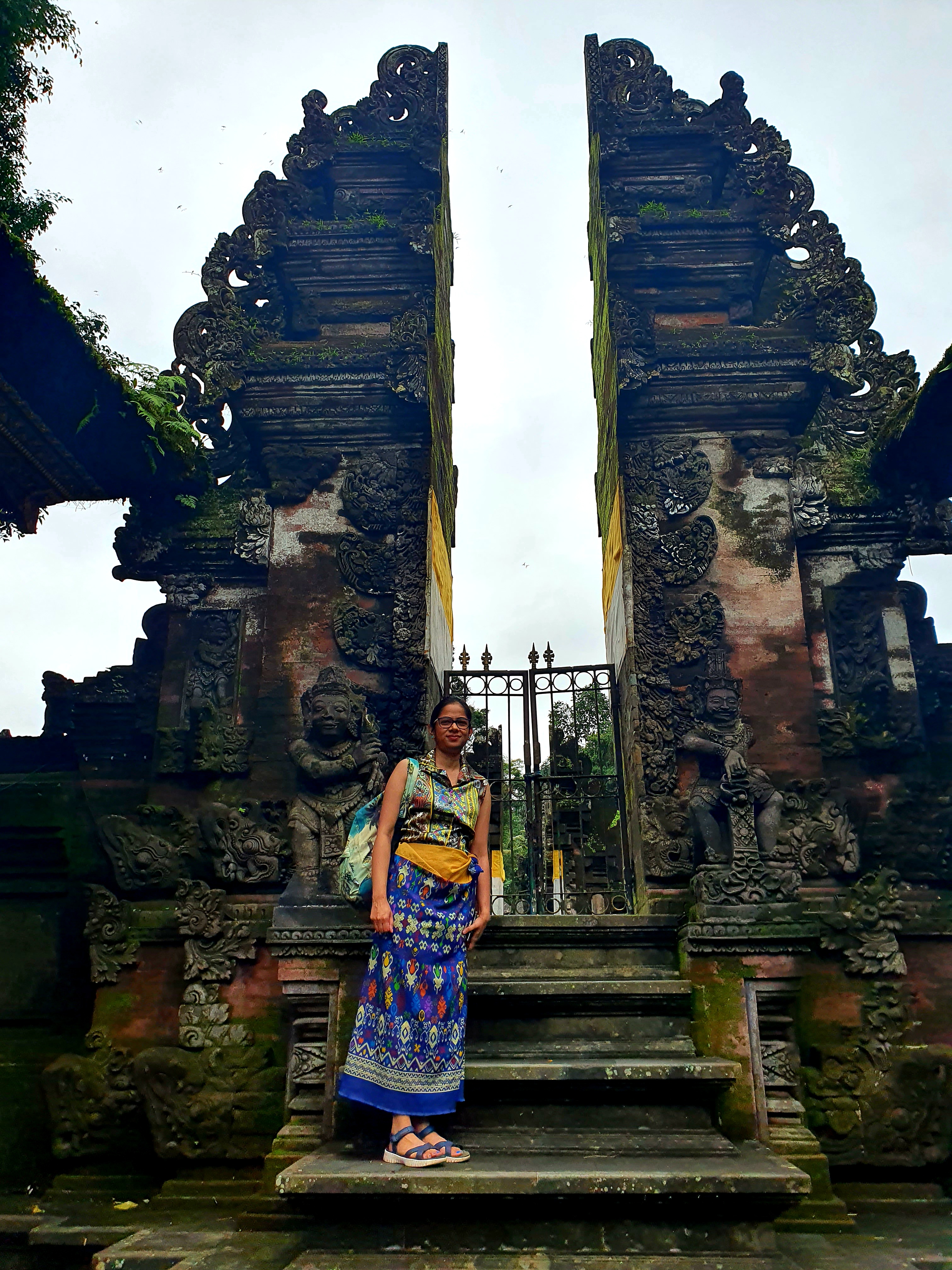
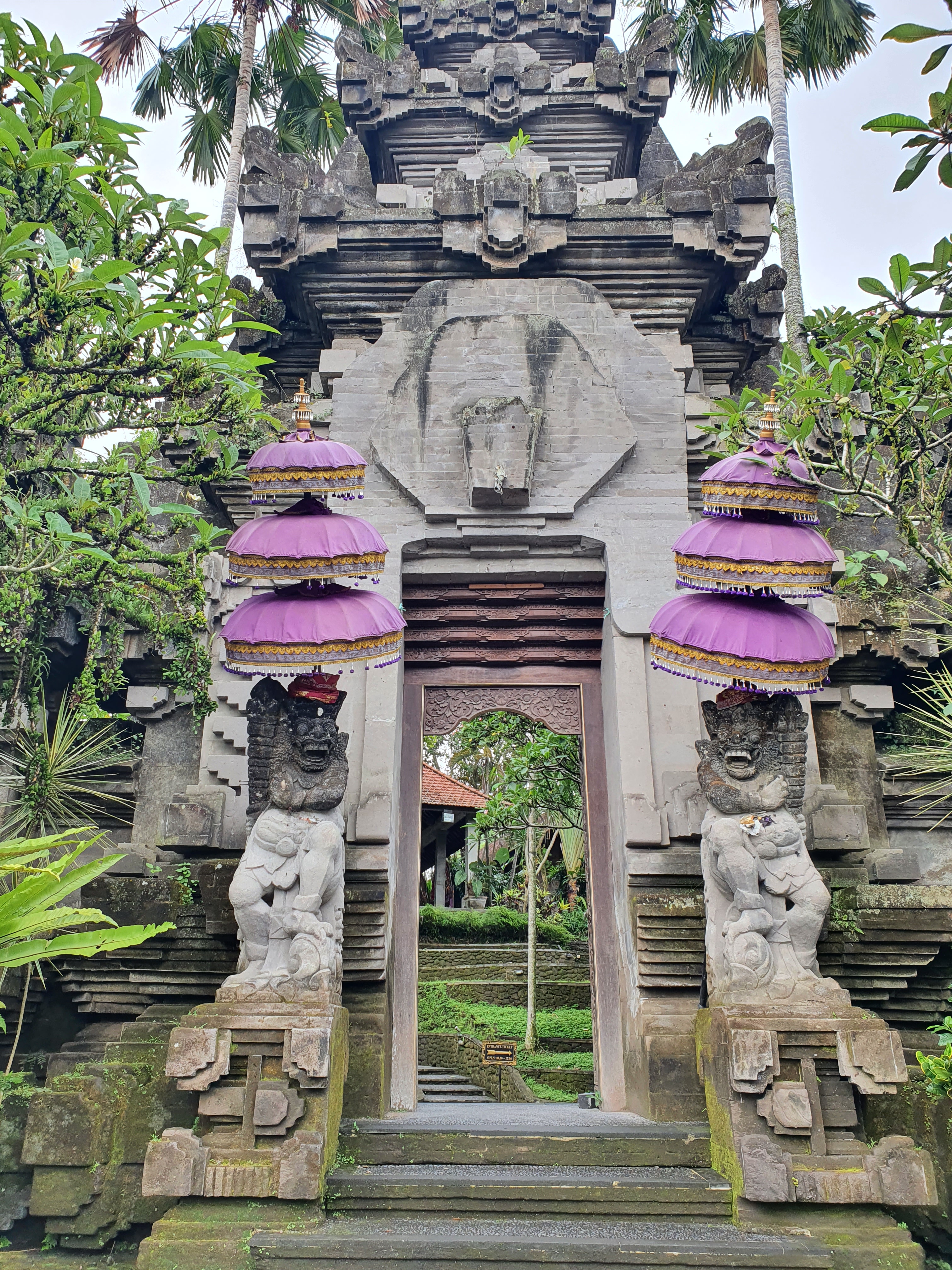
Then it was the time for the main spot for the day – The Tirta Empul holy water temple. This huge temple is dedicated to the Hindu God of Water, Lord Vishnu and has multiple water springs originating from natural springs, which is the reason Tirta Empul is regarded as Holy Spring. To enter the temple, through one of the most famous Balinese Gates. The gate is guarded by carved huge statues of two golden coloured Dwarapala or guardians. It was a photographic spot.
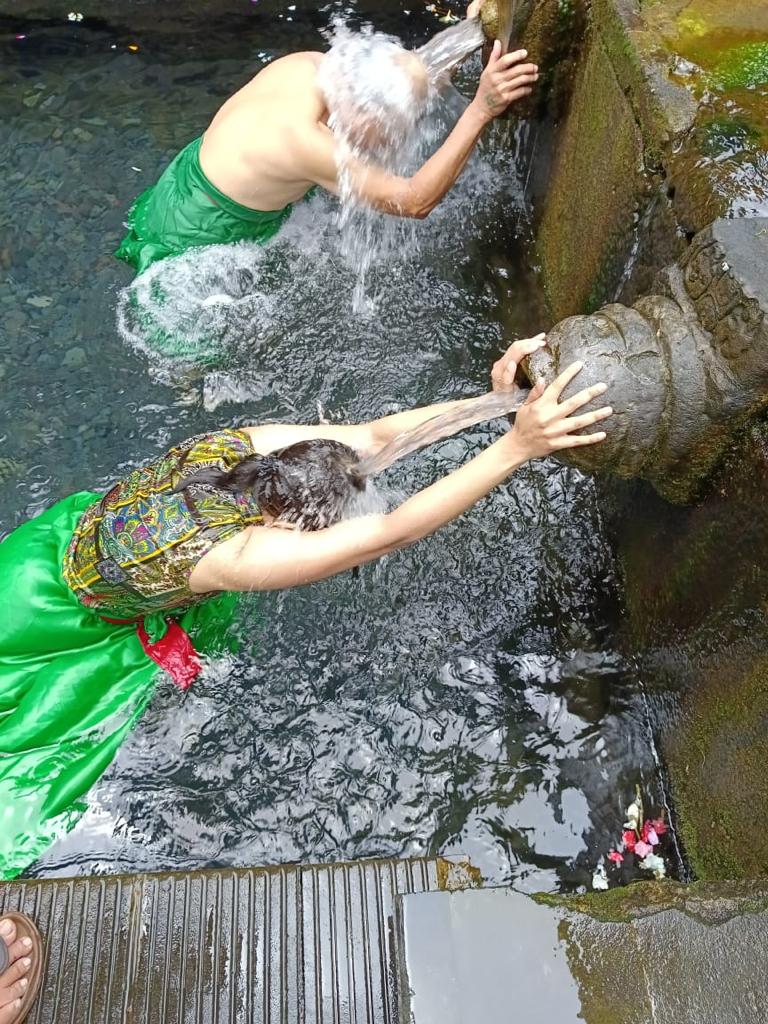
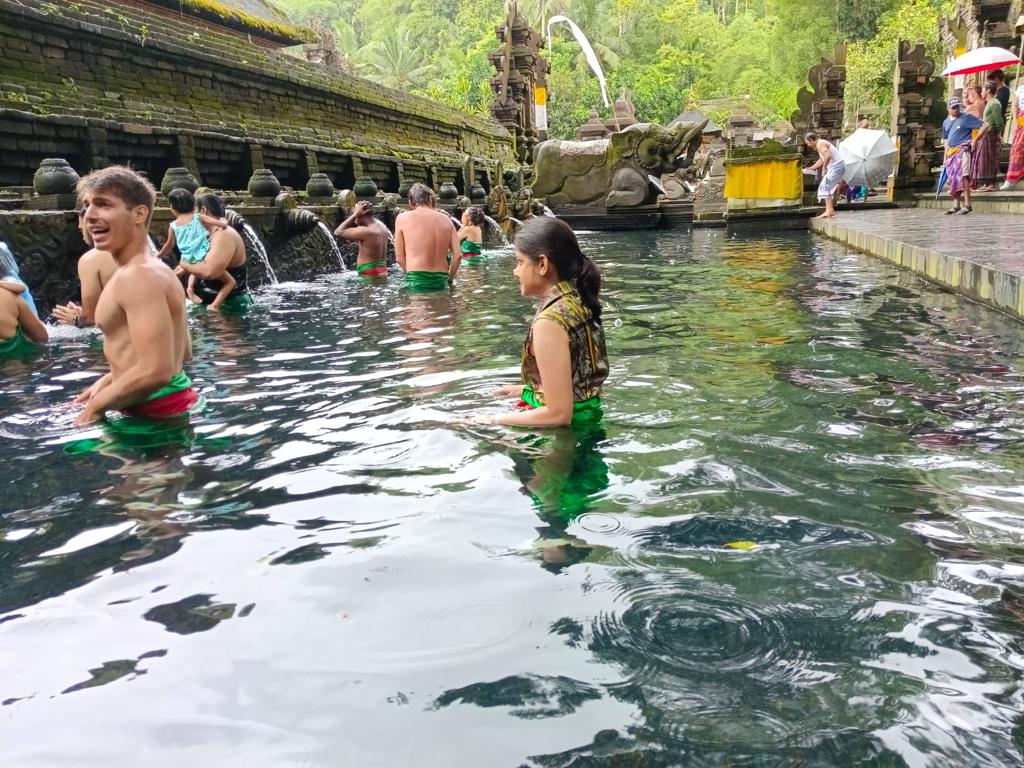
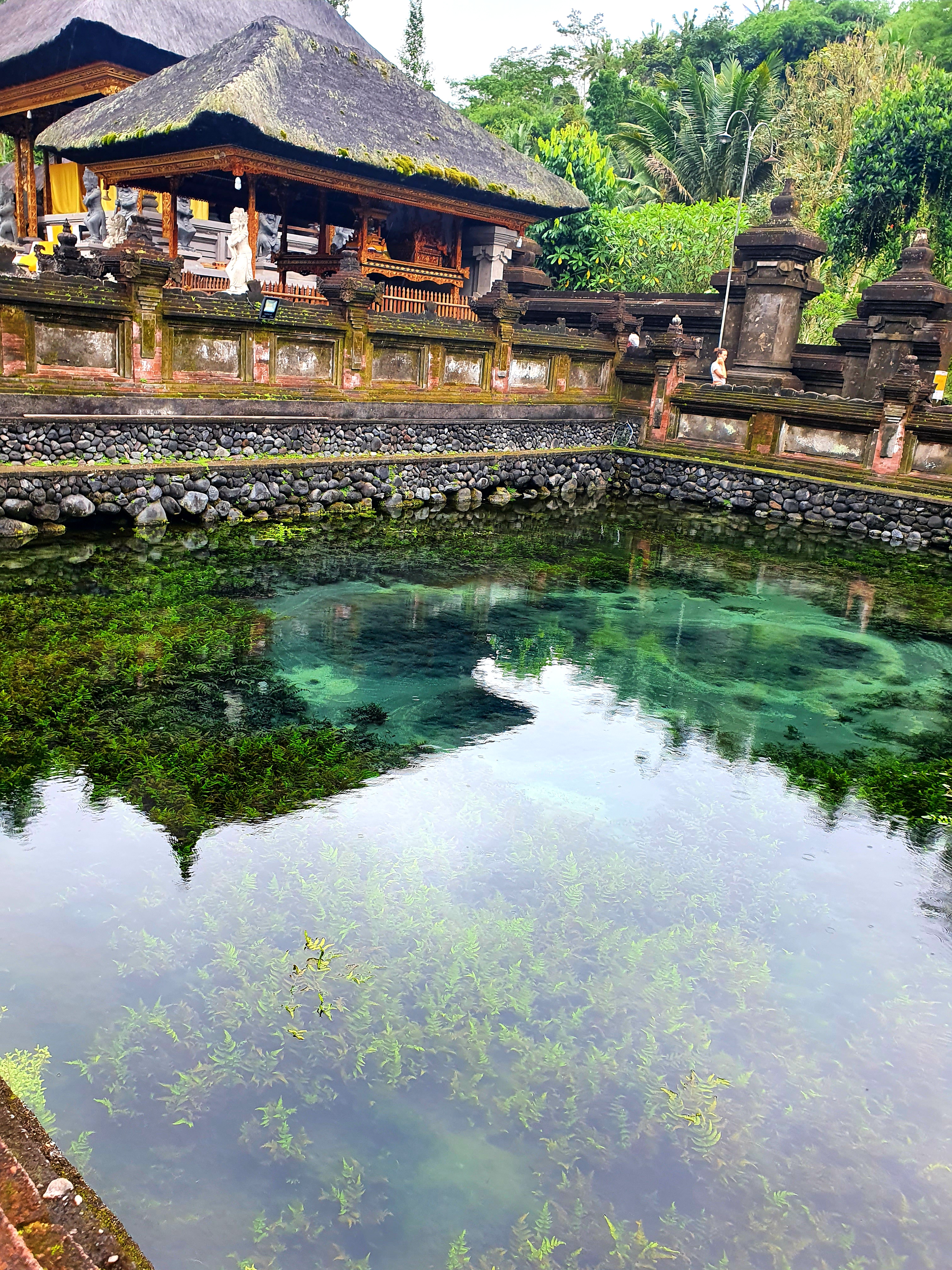
A woman must wear the traditional local dress called Sarong. A Sarong is like a Saree and is wrapped around the body, mainly tucked to the waist. It covers the body below the knee region. For bathing in the holy water, there is a separate kind of Sarong. There are lockers and separate changing rooms available for men and women. I changed to a Sarong and got down into the fresh yet freezing water. The water gushed out through thirty waterspouts into the two sacred purification pools. It is believed that this water washes away the sins and cleanses the heart. However, there are two spouts that are meant only for cleansing the dead and are prohibited to be used. This temple is most famous amongst the locals and my driver said that he often pays a visit here. Bathing in the spring water is optional and many visitors come only to feel at peace and sit quietly and meditate amidst the lush green forestry. Tirta Empul touched my soul and cleansed my heart. This holy place, only forty-five minutes from Ubud is a must visit. There was an intense spiritual atmosphere as I sat and meditated there.
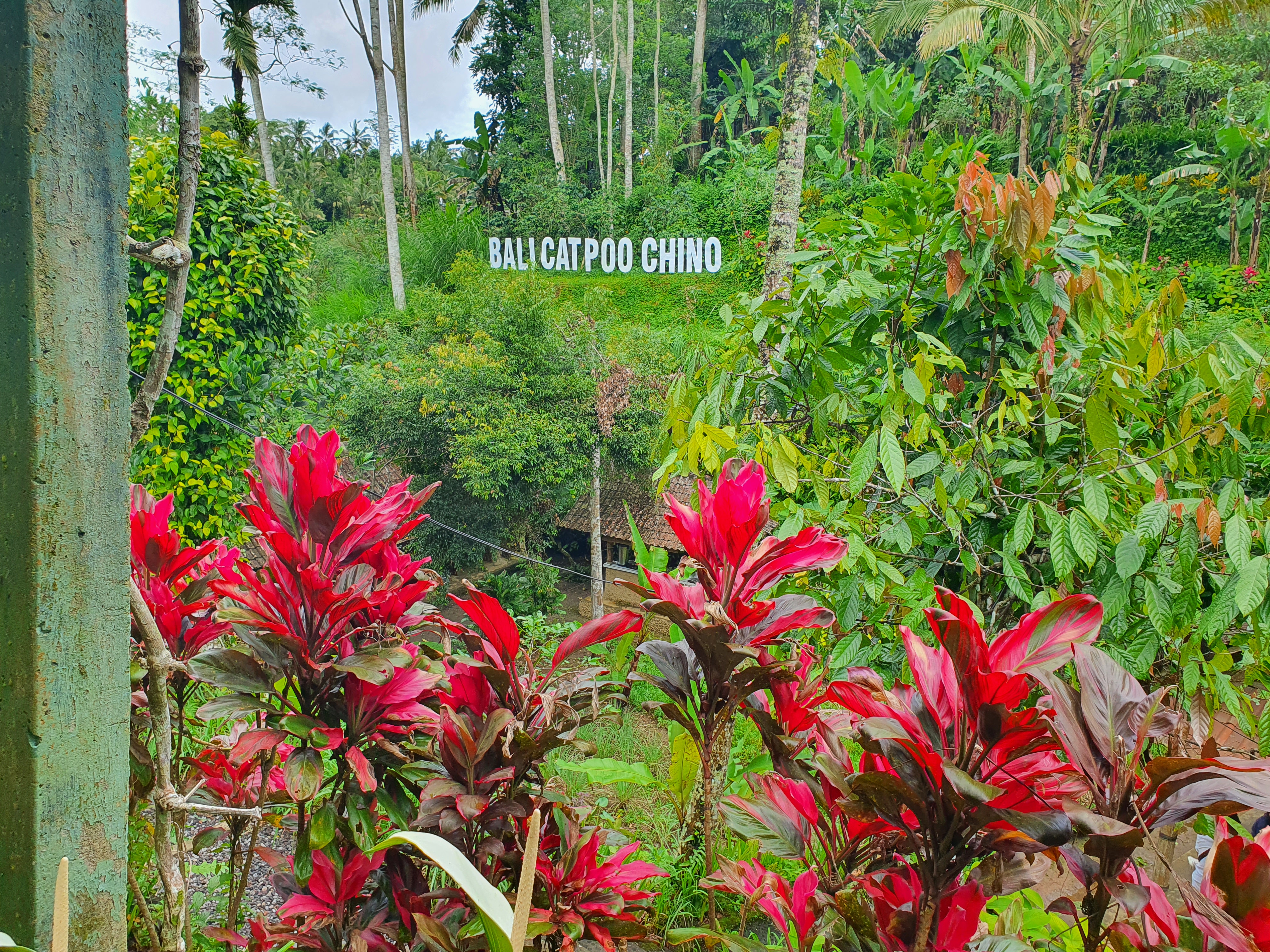
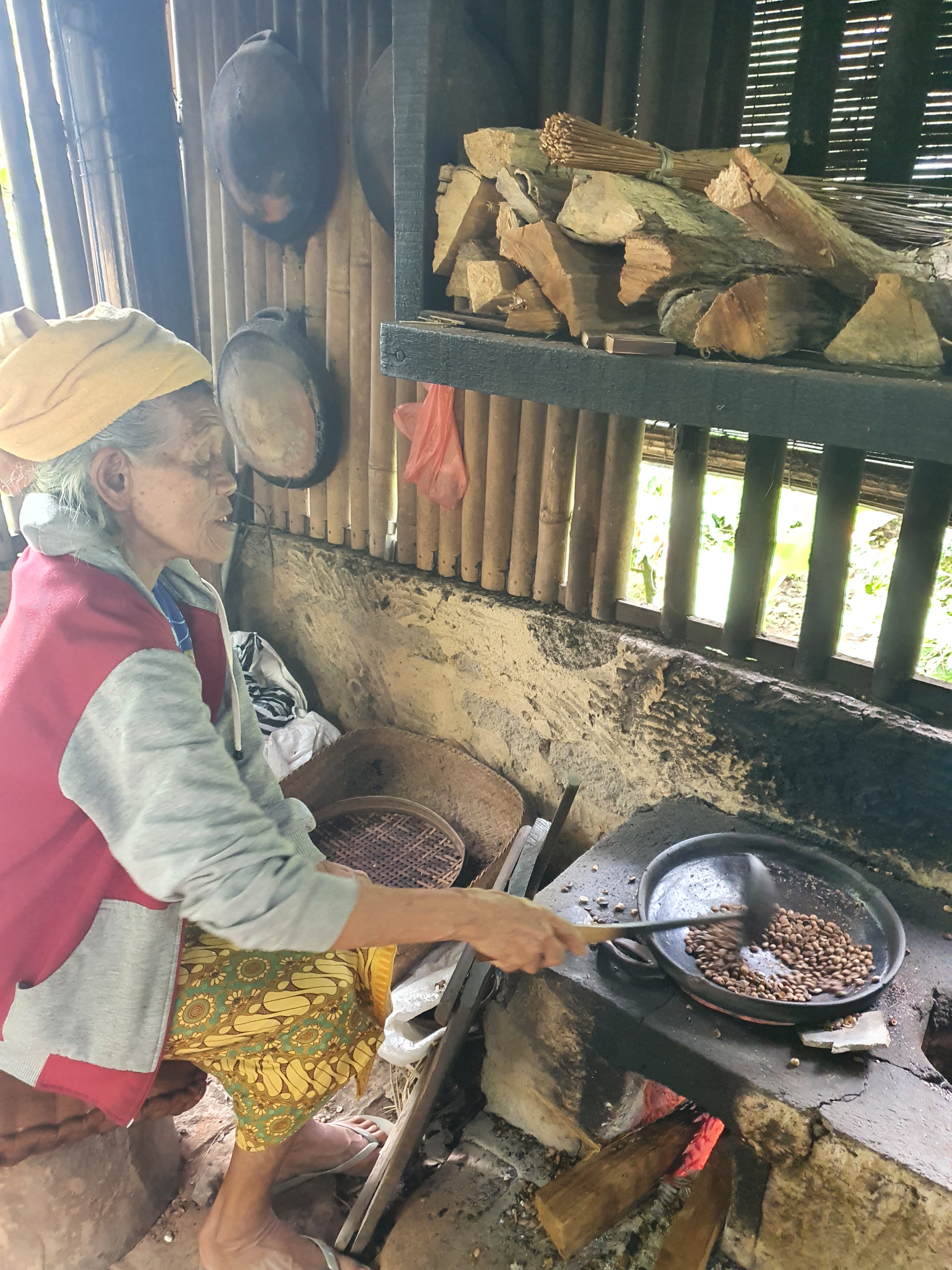
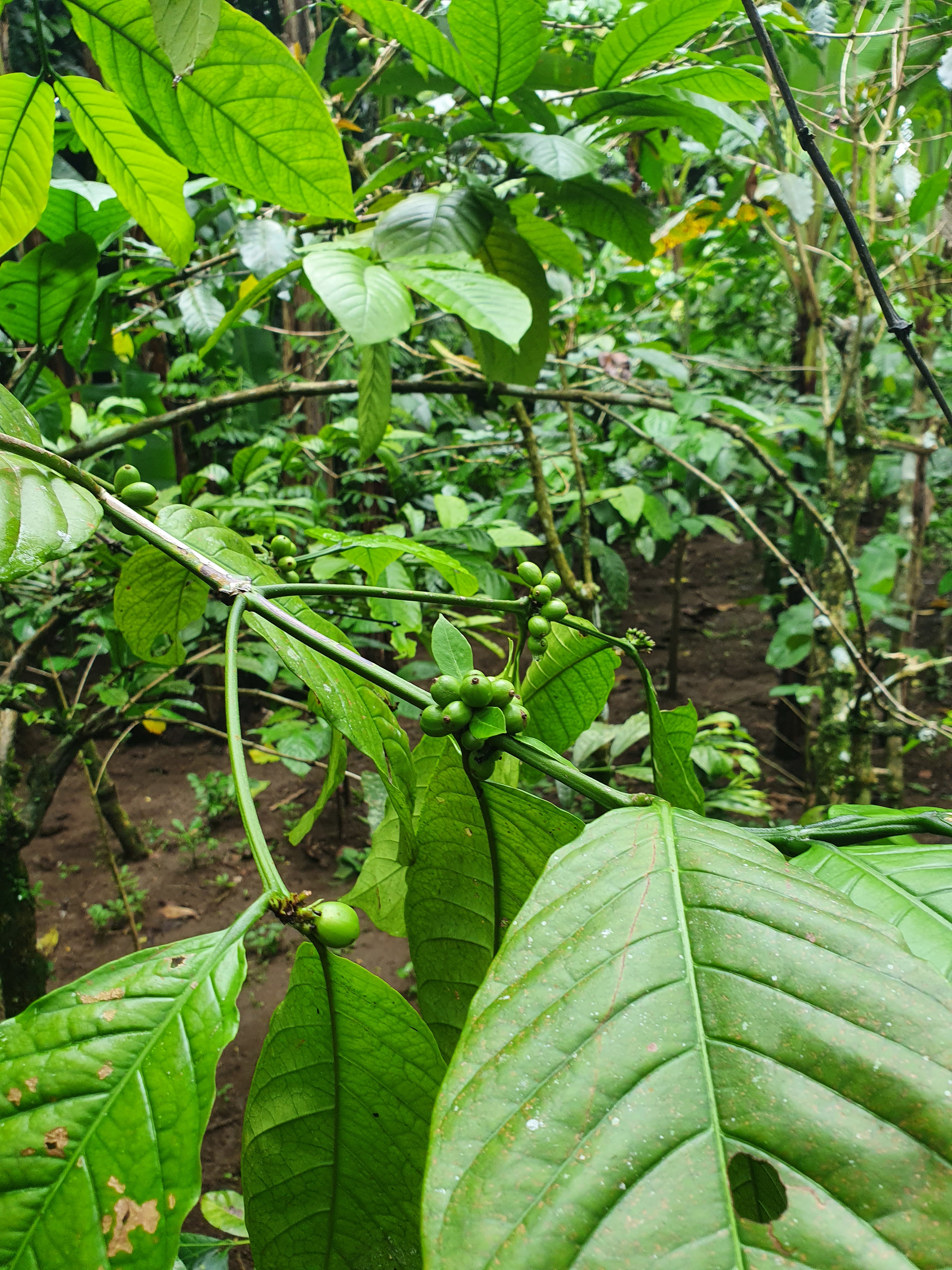
Our next stop was very near to the Tirta Empul temple and on the way back towards Ubud – Luwak Coffee plantation. It was a nice green place to relax and enjoy different types of health drinks, coffee, tea and tobacco. The staff was welcoming. The most famous thing here was the kopi luwak or civet coffee. The coffee is made from the beans of coffee berries which have been eaten by the Asian Palm Civet and other related civets, then passed through its digestive tract. I actually witnessed the entire coffee processing process in this plantation. You can also taste and purchase the luwak coffee here. After visiting the coffee plantation and getting refressed by the turmeric tea, I headed back to Ubud.

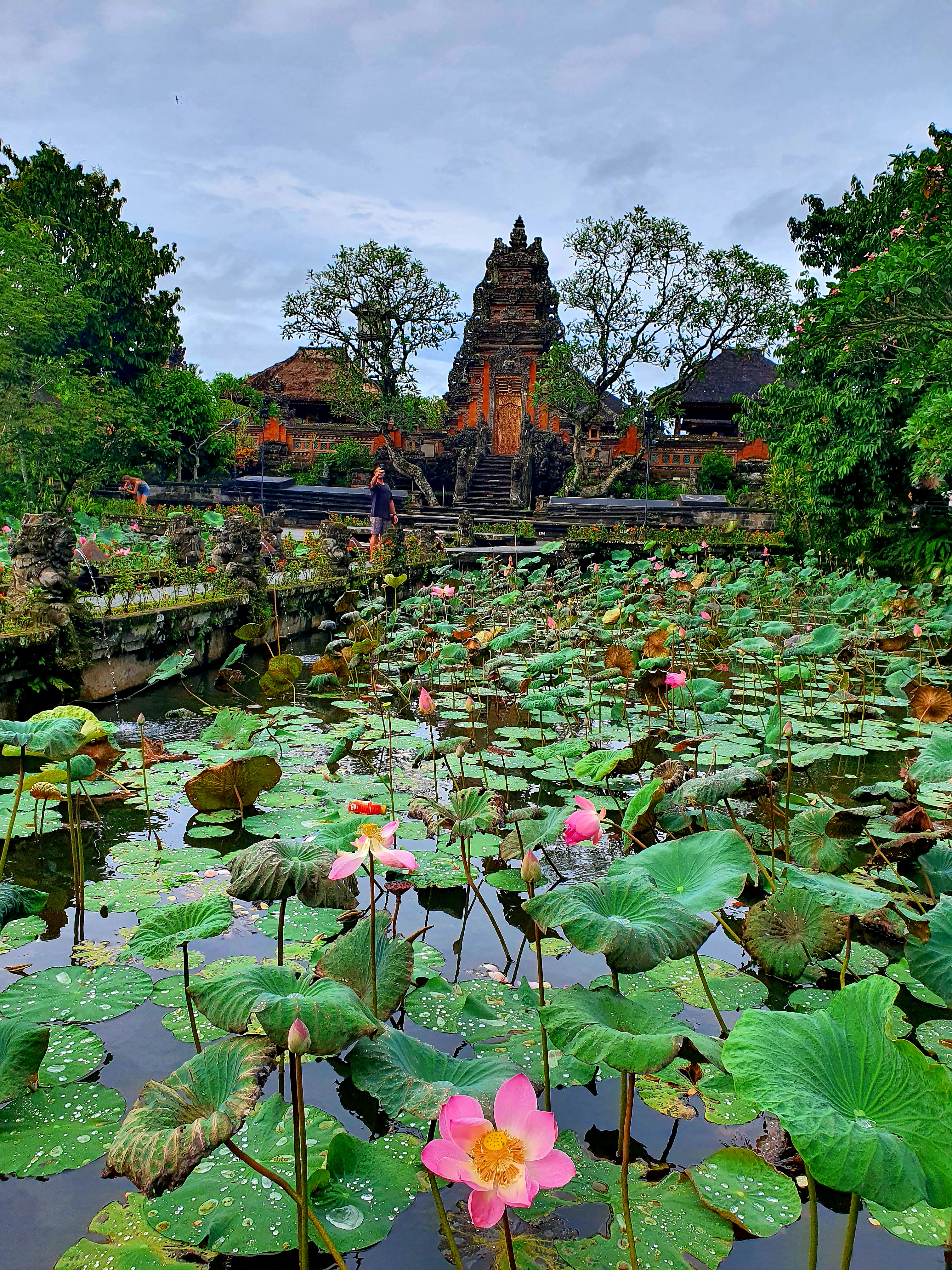
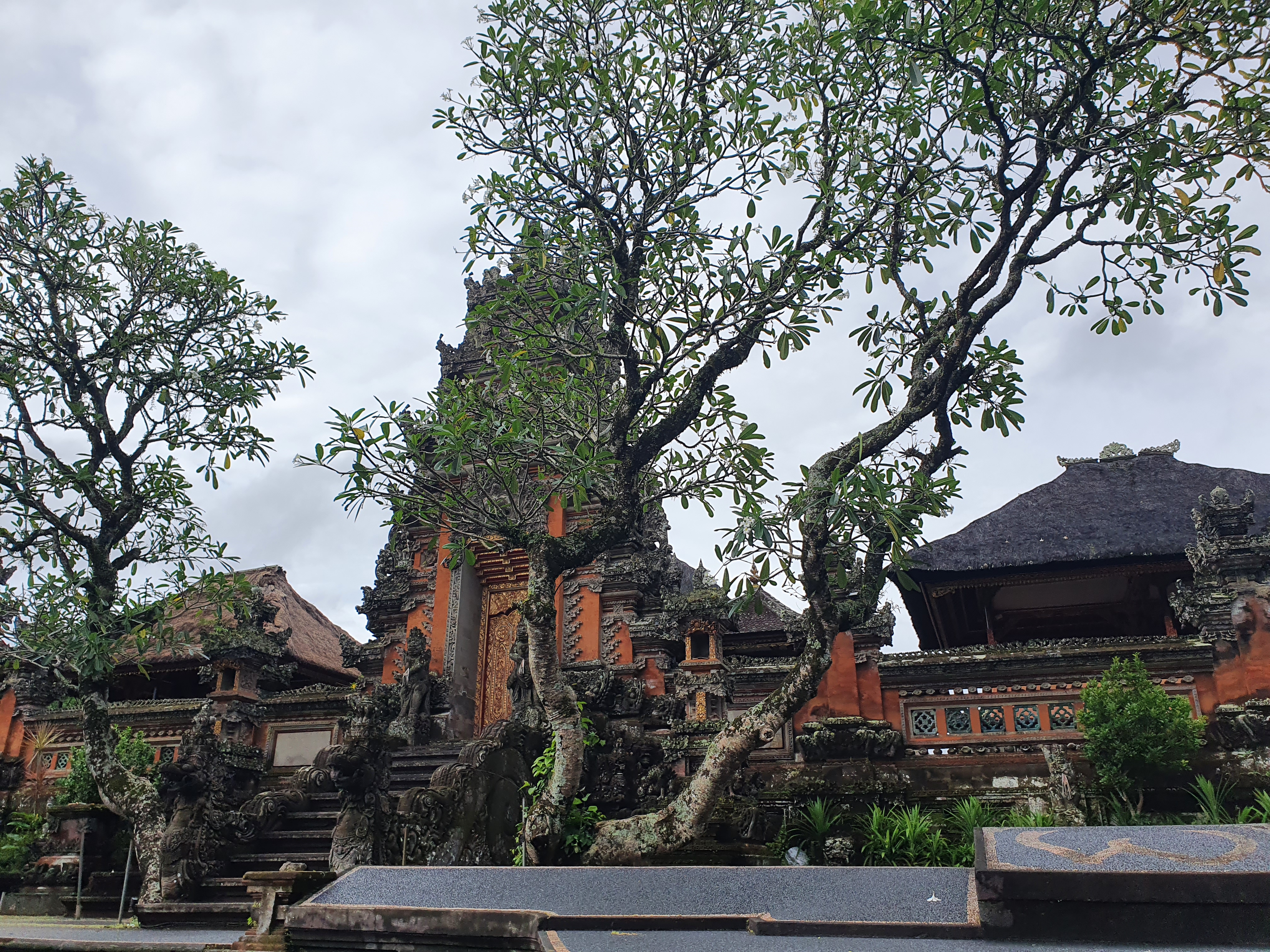
After a bit of rest, I went for shopping and exploring the place on feet. Saw the mesmerising black stone architecture of the Saraswati temple (the goddess of knowledge). I also visited the Ubud Palace, art market and tried different local food and coffee. There are local traditional dance programs scheduled from 7:30pm at the Ubud palace. Post shopping and sightseeing, I went for a foot massage in one of the massage parlours to relax and rejuvenate.

The Experience..
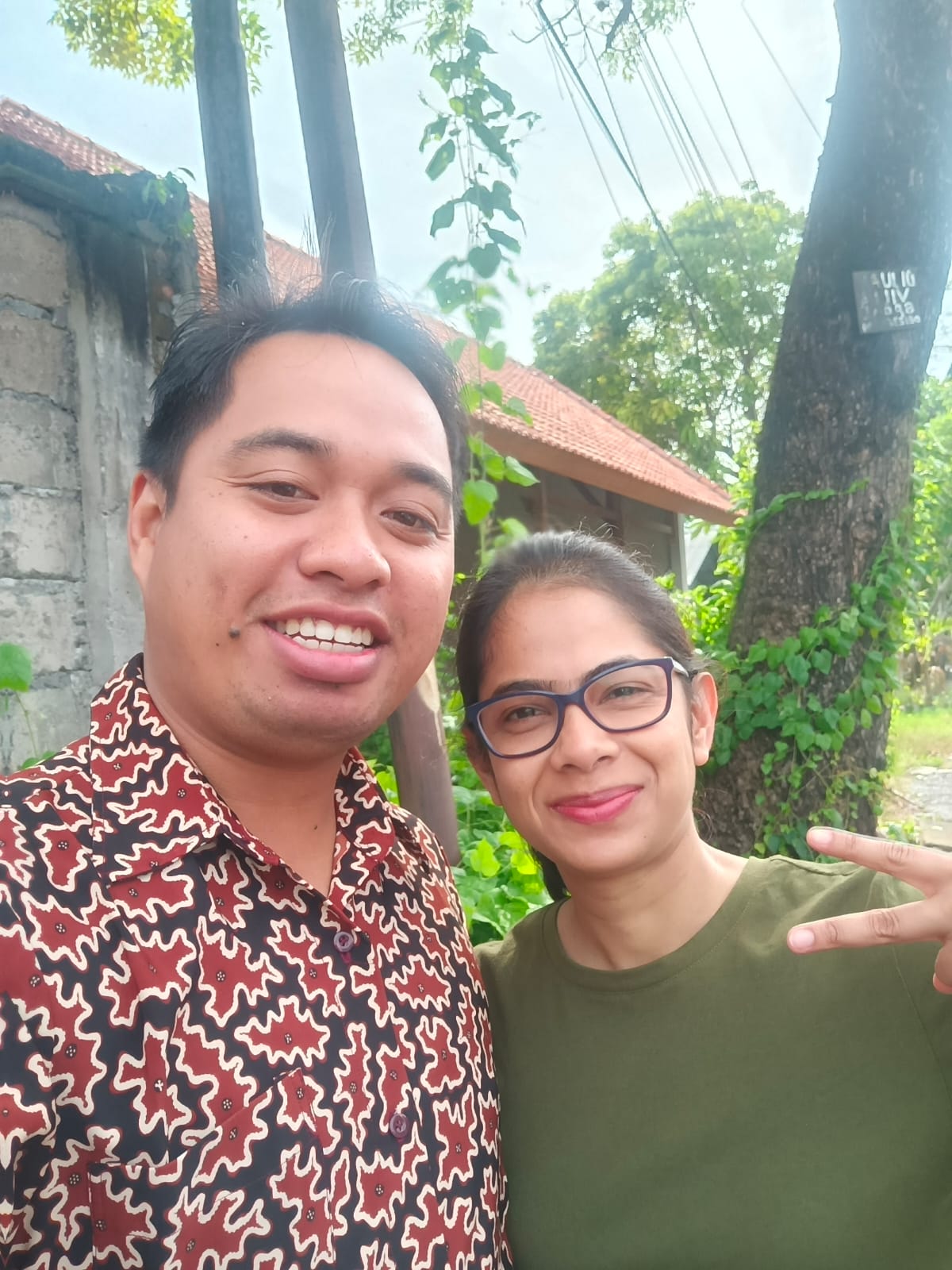
The day I left, Sugi came to meet me personally and bid goodbye. His warmth and energy was infectious. I was feeling sad to leave this incredible country. In just few days, it felt so close to my heart. I have witnessed nature at its best many times before, but Ubud is like a blessing of Mother Nature herself. Every temple, every forest, the waterfalls, everywhere I saw the most astounding natural beauty. The lush greenery cleansed my soul and relaxed my eyes. The ever-smiling warm locals, the black volcanic rocks, the incredible architectures, and the volcanic mountains made my experience an everlasting one. My trip was short, my heart was unfulfilled, but my memories were special. I will come back again Ubud and find my solace in your warmth and greenery. Until then, Sampai jumpa, sampai ketemu.


 Disguise Me Forever
Test
LikeLike
Beautifully articulated…loads of information shared alongwith amazing pics…
LikeLike